Understanding different soil zones and their varying water-holding capacities is crucial for effective irrigation management. Indeed, soils can differ significantly in how much water they retain and release, which directly impacts plant health and water usage efficiency. For instance, some soils, like clay, hold water for longer periods, requiring less frequent irrigation, while sandy soils drain quickly and need more frequent watering.
By recognizing these differences, farmers can tailor irrigation strategies to the specific needs of each soil type, promoting optimal plant growth, reducing water waste, and ensuring sustainable use of water resources.
New AG International reached out to Itamar Nadav, Ph.D., Head of Agronomy R&D & Innovation at Netafim to learn more about optimizing irrigation based on soil types.
Itamar Nadav, Ph.D., Head of Agronomy R&D & Innovation at Netafim
What are the different methodsof irrigation to consider when irrigating crops? Irrigation technologies today include surface irrigation, overhead irrigation and micro irrigation, each with its own advantages and limitations.
Surface irrigation is the oldest and most widely used method, dating back to ancient Egypt. It includes flood irrigation, which wets the entire soil surface (common for rice and alfalfa production), and furrow irrigation, where water flows through furrows between soil ridges (used for crops like corn, soybean and cotton). Other variations include border and basin irrigation, which are also based on flood irrigation.
While surface irrigation is simple, with minimal infrastructure operating at a low pressure, it has its limitations. It requires flat terrain or a constructed terrace, suffers from uneven water distribution in the soil, and is highly inefficient in water usage compared to other irrigation systems.
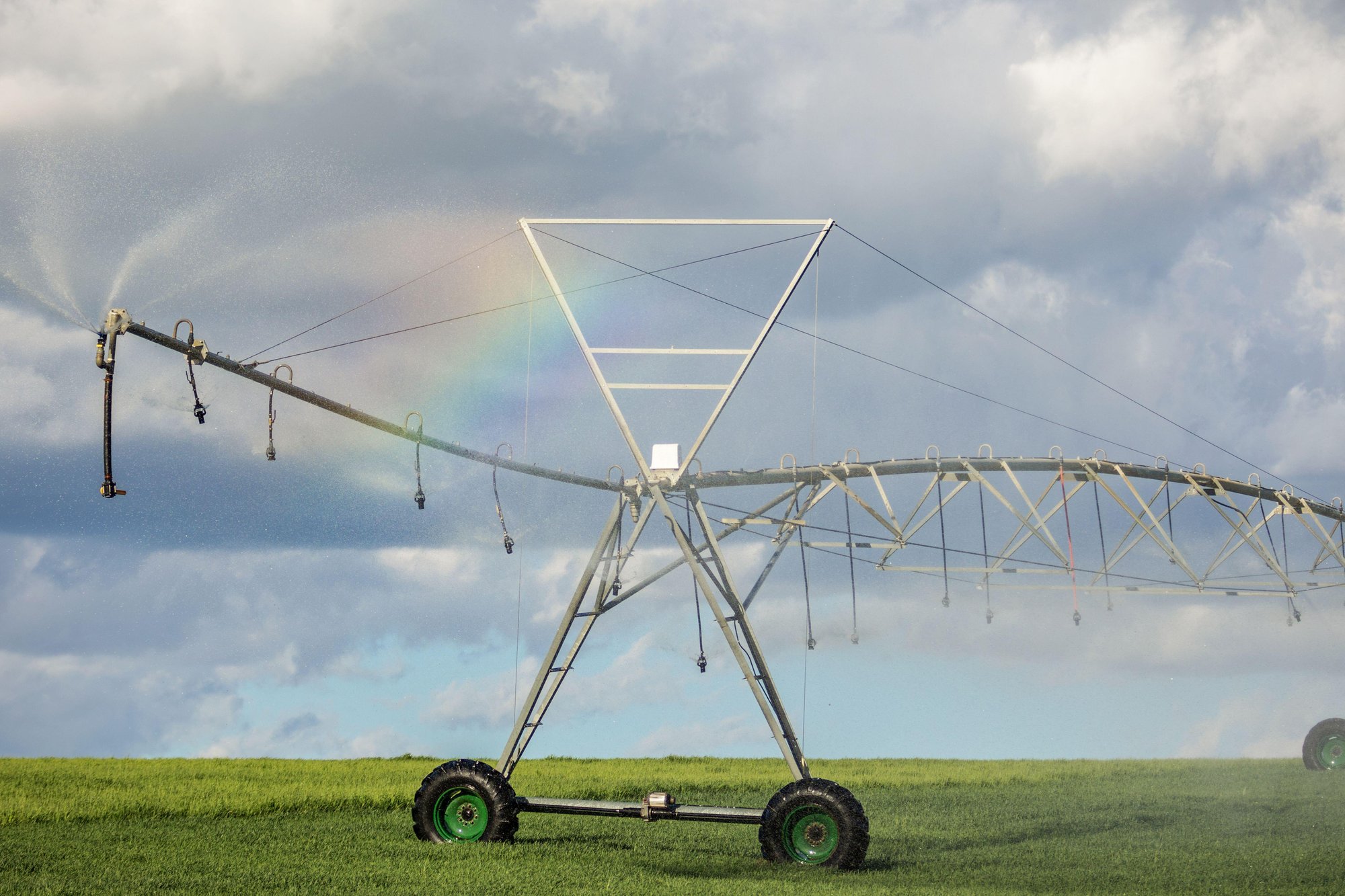
Overhead irrigation simulates rainfall by applying water on crops from above using systems like sprinklers, rain guns, linear irrigation machines and center pivots. It provides better water distribution surface irrigation,
and is widely used globally. However, it requires high water pressure (2.5-3.5 bar) to operate, leading to high energy costs, is costly and is affected by wind, terrain limits and in some cases, crops develop canopy diseases due to humidity. Additionally, overhead irrigation is limited to using high-quality water (not saline or treated wastewater) to avoid crop damage.
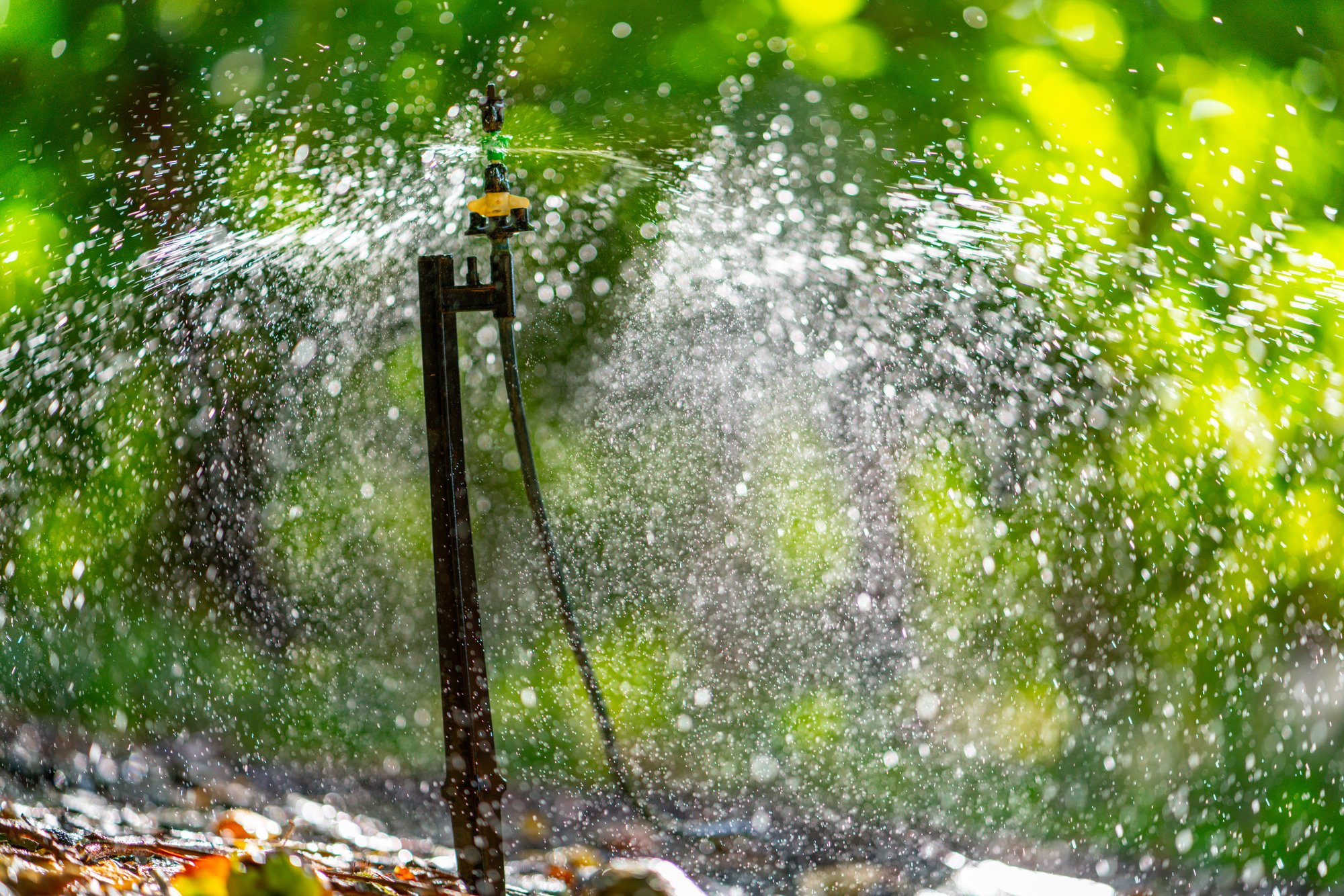
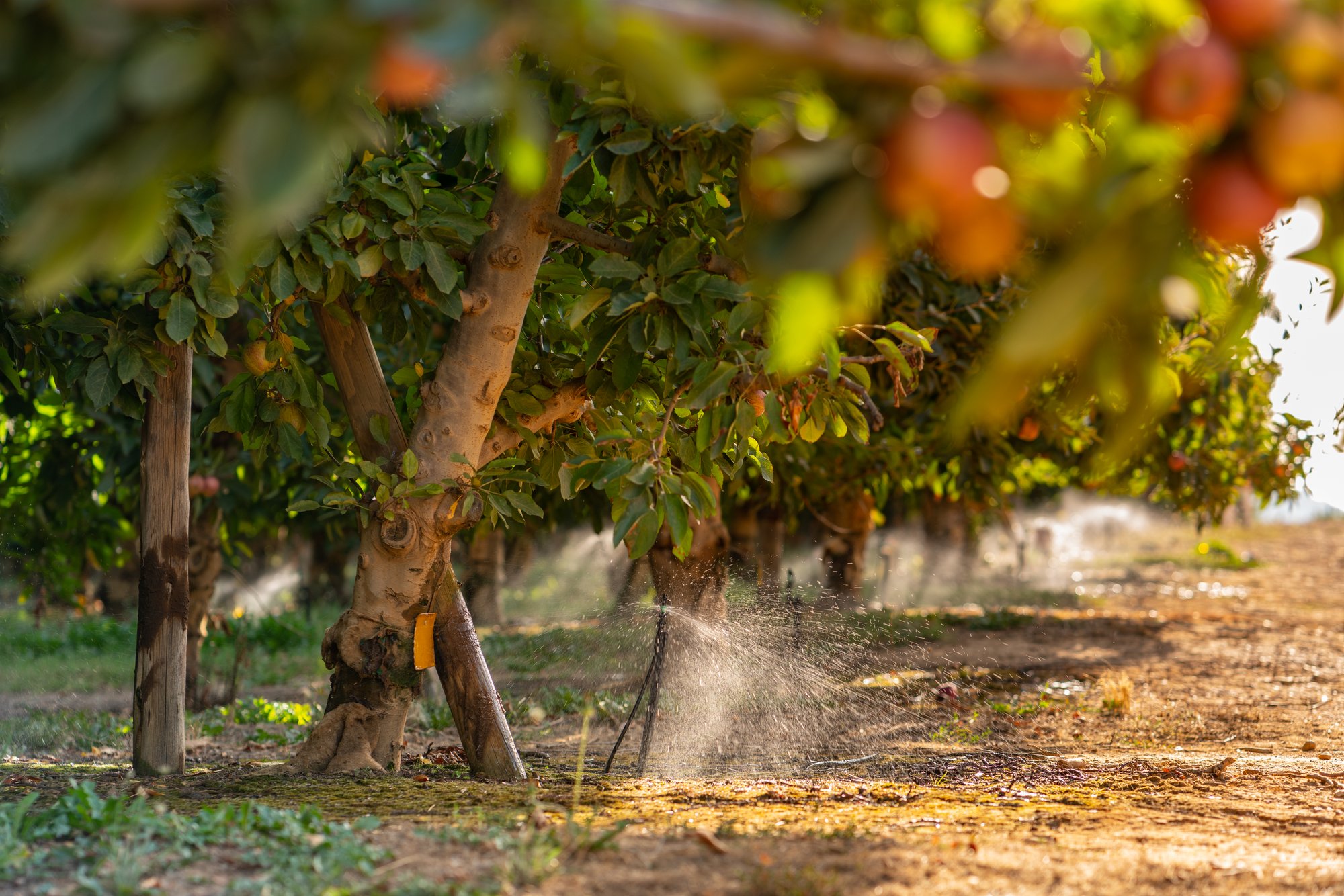
Micro irrigation includes micro-sprinklers, mainly used for orchards and landscaping. Drip irrigation is the most efficient method of micro irrigation. Developed by Netafim in the 1960s, it delivers water in precise amounts directly to the plant’s root zone, reducing waste and improving efficiency.
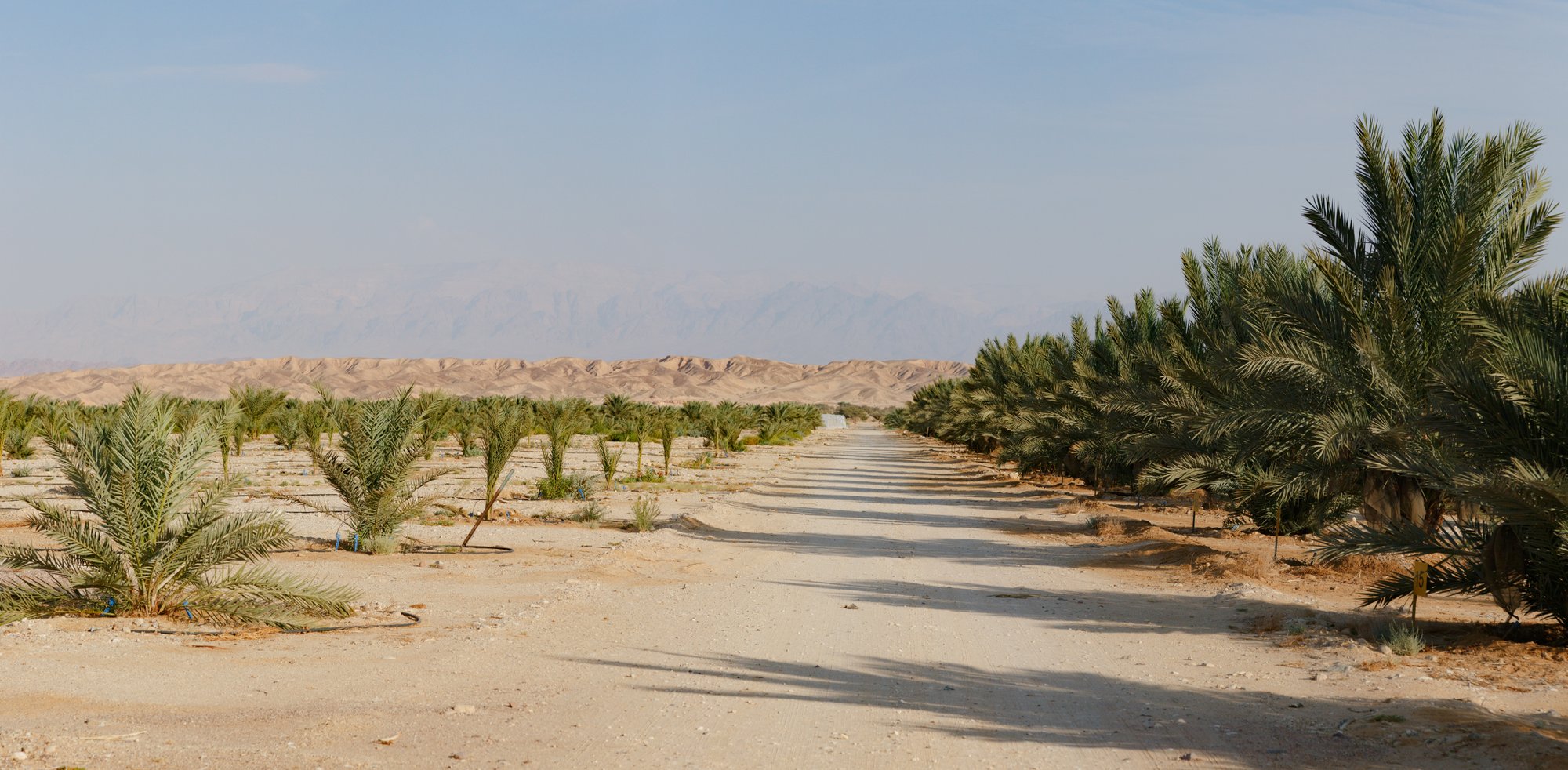
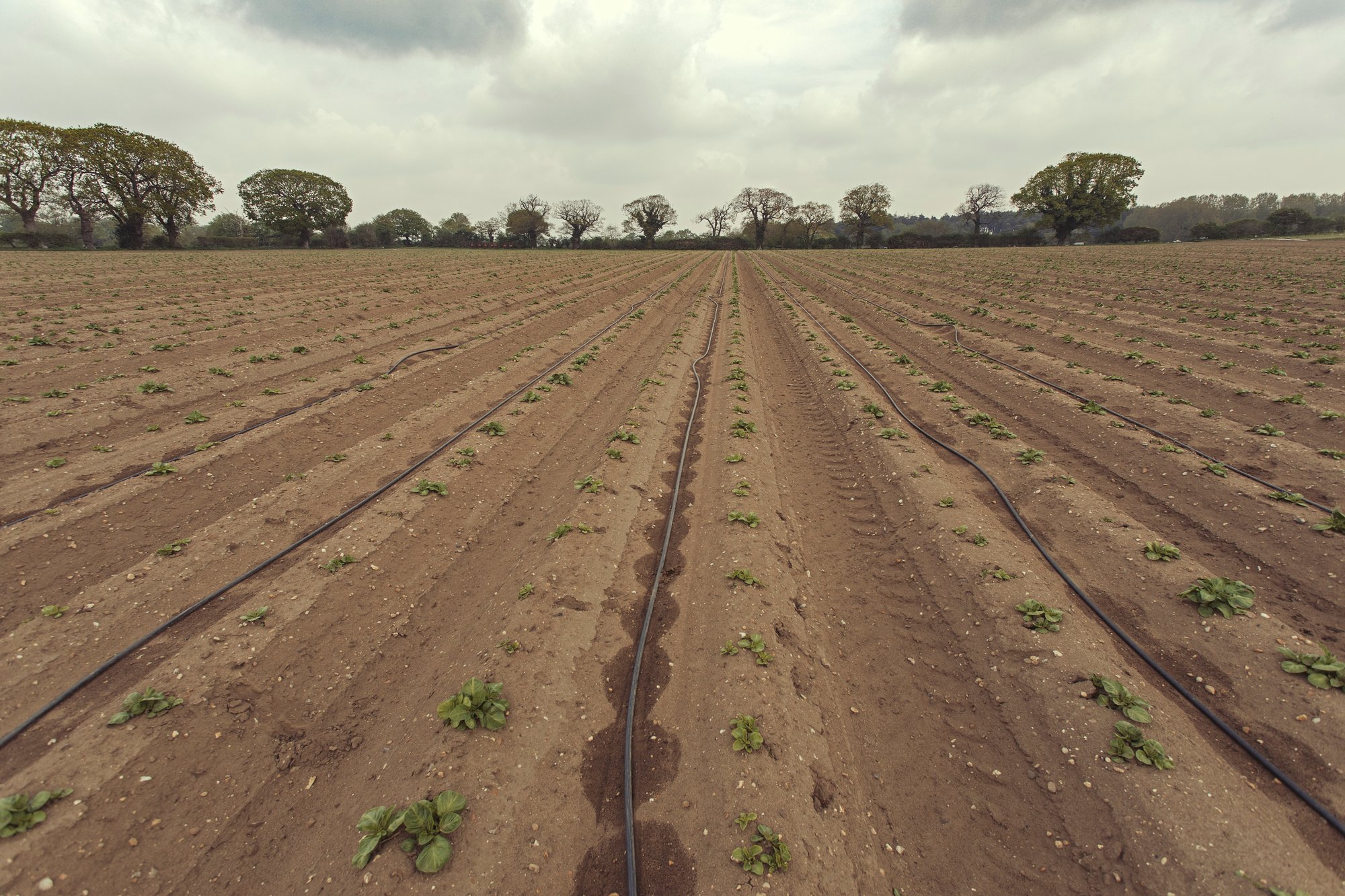
Drip irrigation offers many advantages including the ability to work on all terrains, uses lower pressure than overhead systems to save energy costs, enables fertigation by delivery nutrients directly to plants, and ensures uniform water distribution to minimize water loss and increase yields. Importantly, it saves up to 50 percent of the water applied compared to surface irrigation.
However, drip irrigation requires water filtration to prevent clogging, as well as infrastructure for installation and maintenance. Subsurface drip irrigation (SDI) can reduce setup costs over time by keeping driplines buried in the soil.
All the irrigation methods mentioned above are used by farmers worldwide, but surface irrigation still accounts for 75 percent of irrigated land and overhead irrigation covers 18 percent, while micro irrigation, which predominantly consists of drip, covers only seven percent.
With growing populations, rising food demand and increasing water scarcity, it’s clear that applying more efficient irrigation solutions are essential for producing more food with fewer resources.
What are the different soil zones and their water holding capacity?According to the Food and Agriculture Organization of the United Nations (FAO), soil is a natural body composed of layers (soil horizons) consisting of weathered mineral materials, organic material, air and water. It develops over time due to the influence of climate, topography and organisms (flora, fauna and human) on parent materials (original rocks and minerals). As a result, soil differs in texture, structure, consistency, color, chemical, biological and physical characteristics.
One of the most critical soil characteristics for plant growth is its water-holding capacity – the ability to absorb, store and release water for plants. A helpful analogy is a sponge: just as a sponge absorbs water in its pores and releases it when squeezed, soil holds water in its voids, which make up about half of its total volume. These voids are occupied by air, water, or both, and their balance changes dynamically. Farmers and growers replenish lost soil moisture through irrigation when rainfall is insufficient.
Soil is made up of particles in various sizes and is categorized into three groups: sand sized 2-0.2 mm, silt sized 0.2-0.002 mm, and clay sized less than 0.002 mm (2 microns). The proportion of these particles determine the soil type. Clay soil, which has a high clay content, has lower hydraulic conductivity, meaning water moves
slowly. This results in fewer irrigation events but with larger volumes of water per irrigation. However, excessive watering or heavy rain in clay soils can cause runoff due to poor drainage. Sandy soils, which contain a high sand percentage, have a lower water-holding capacity but high hydraulic conductivity, meaning water drains quickly. Sandy soil requires frequent irrigation in smaller amounts to prevent water from percolating too deep, beyond the root zone. Lastly, silty soils have properties between clay and sand, offering a balance of water retention and drainage.
The practical implications of these different soils are clear: clay soils require less frequent irrigation but in larger amounts, while sandy soils need frequent, smaller doses of irrigation to avoid excessive drainage. Silty soils, which fall in between, require a moderate irrigation schedule. Understanding soil water dynamics is key to efficient irrigation and optimal plant growth, ensuring crops receive adequate moisture without waste.
What are the factors to consider when choosing an irrigation method based on soil type? The key factors to consider are soil water-holding capacity and hydraulic conductivity.
Surface irrigation is best suited for clay to medium soils, where water percolation is low, allowing it to flow efficiently from the source to the end of the field. In sandy soils, surface irrigation can lead to water loss due to deep water percolation. Additionally, the low water-holding capacity of sandy soils requires frequent irrigation which cannot be achieved by surface irrigation.
Overhead irrigation can be applied in most soil types but has some limitations. In heavy clay soils on a slope, excessive water runoff can occur. In very sandy soil, the need for frequent irrigation may not always be possible, making it less efficient in those conditions.
Drip irrigation is the most adaptable method as soil type is not a limiting factor. High frequent irrigation (daily or less) works effectively across soil textures. In clay soil, it helps prevent water runoff by delivering water gradually, while in sandy soil, it minimizes deep water percolation by providing moisture directly to the root. It’s all about selecting the right dripper flow rate and spacing to ensure efficient water distribution for the soil type to maximize crop performance.
What about the possibility of different soils within one field? How do farmers manage that?
Soil types are spread according to their parent material, climate and topography. This means that while most regions have a dominant soil type, many fields contain several soil types. This is common in transition areas next to large river basins and in hilly terrains where soilmay erode.
In most cases, farmers do not have the tools to cope with soil variability or apply different irrigation methods according to the soil texture. Occasionally, mostly in orchards with smaller plots, farmers divide their fields based on the soil type and control irrigation separately for each section using different valves. In rare cases, farmers manually adjust drippers along the dripline, adding or blocking them in areas where more or less water is needed.
What does the future look like with regard to continued irrigation on various soil types? Is there ongoing research on developing new systems, for instance? As agriculture and farming evolves, managing different soil types, climate conditions and water availability becomes increasingly complex. At Netafim, our focus is on developing advanced irrigation solutions that enhance water-use efficiency, improve crop yields, and support sustainable farming.
Through ongoing research and technological advancements in precision irrigation and digital farming, we equip farmers with data-driven tools to optimize irrigation practices. By integrating real-time monitoring, agronomic expertise and AI-powered decision-making, farmers can make more informed choices, minimize resource waste and build resilience in the faceof changing environmental conditions. ●
The practical implications of these different soils are clear: clay soils require less frequent irrigation but in larger amounts, while sandy soils need frequent, smaller doses of irrigation to avoid excessive drainage.
Julie M. Bushell was recently named president of the Irrigation Association. As vice president of Paige Electric Company LP, Bushell has had a long and varied career in the irrigation industry. In our first issue of the new year, New AG International reached out to Bushell to discuss the Irrigation Association outlook for 2025.
Julie Bushell, IA President
How would you describe the current state of the irrigation market, both in the U.S. and abroad? The irrigation market is in a state of dynamic evolution, driven by the dual pressures of resource scarcity and the growing demand for agricultural production. In the U.S., advancements in precision agriculture and water management technology are helping to modernize irrigation systems, but significant challenges remain, particularly with aging infrastructure and regional droughts. Internationally, markets in regions like Asia, Africa and South America are expanding as governments and private entities recognize the importance of efficient irrigation to ensure food security. However, the disparity in technology adoption between developed and developing nations highlights the ongoing need for knowledge transfer and capacity-building.
The continued drought conditions throughout a good portion of the U.S. continues to challenge irrigators here and abroad. How is the Irrigation Association helping its members mitigate these challenges? The Irrigation Association is taking a multifaceted approach to support its members amid persistent drought conditions. Additionally, we recognize that external economic pressures, such as supply chain disruptions and trade policies, can further challenge our members. Our advocacy efforts extend to ensuring that policies, including trade measures, support rather than hinder the ability of our members to provide essential irrigation solutions to farmers and growers.
We’re also championing efficient irrigation practices through education and certification programs, ensuring that industry professionals are equipped with the knowledge to optimize water use. Additionally, we’re actively advocating for government policies and funding that promote water conservation, improve technical assistance resources for end users, and the modernization of irrigation infrastructure. We are focused on connecting irrigation innovators and technology providers with end users to drive adoption of solutions such as soil moisture sensors, remote monitoring systems and AI-driven irrigation scheduling. By fostering a culture of innovation and resource stewardship, we are working to help the industry meet the challenges – and opportunities – of today and tomorrow.
What are some stand-out technologies that you see on the horizon that could be ready for wider adoption by the industry? Several exciting technologies are poised to transform the irrigation industry in the coming years. For instance, the integration of IoT and AI in irrigation systems is gaining momentum, allowing real-time data collection and predictive analytics to optimize water use. The most consequential benefit to the industry has been the availability of real-time data and decision-making. By leveraging this data, irrigators, water districts and state agencies have shown improvements of over 25 percent in irrigation efficiencies and proactive response to demanding conditions. Additionally, advancements in energy-efficient pumping systems and solar-powered irrigation are addressing both environmental and economic concerns. These technologies, combined with a focus on interoperability and ease of adoption, hold immense potential to enhance productivity while conserving resources.
Revenue growth is important to the Irrigation Association, as is member relations. How do you propose to maintain and, indeed, improve both areas? We are committed to being the unifying voice of our members and delivering value across the entire sector. Recognizing that economic volatility, such as tariff-related cost increases without corresponding support of incentives and investments supporting domestic production, can strain businesses. We are actively advocating for policies that foster stability and growth. Our efforts include strengthening federal engagement, while expanding capacity to address the growing number of state and local actions that impact the irrigation industry.
And by offering comprehensive education and training, professional certifications and career development resources, the IA empowers individuals to enhance their skills and helps irrigation businesses build a more capable, innovative workforce – ultimately driving growth throughout the industry.
Your work has spanned multiple technology innovation initiatives, and you continue to advocate on various public policy initiatives, including rural connectivity, biobased economy, critical infrastructure, agriculture, and natural resources, especially energy and water. What do you see as being the top three issues going forward with the Irrigation Association?The top three issues for the Irrigation Association are increasing the adoption of efficient irrigation products, services and education; advancing an expert and professional workforce; and ensuring a thriving, growing irrigation industry. This includes working with Congress to ensure passage of a Farm Bill that accelerates the adoption of irrigation products, technology and services that help growers become more efficient, productive and resilient through increased irrigation efficiency. We are also working closely to make sure that we meet the workforce needs of the industry today and tomorrow, through robust and dependable guest worker programs, as well as programs to help foster the workforce of tomorrow. Additionally, we remain vigilant about the economic environment and will continue to advocate for measures that promote economic stability for our members and industry, ensuring they can thrive. As part of the debate in Congress on tax reform and tariffs, we are working to advance common-sense policies to foster growth and investment in the sector and help business become more profitable.
And finally, what are the main goals for the Irrigation Association in 2025? In 2025, the Irrigation Association’s main goals center on advancing water use efficiency, building a strong workforce and strengthening advocacy efforts that promote a thriving industry and economy. Promoting innovation in the irrigation industry remains a core focus, with initiatives to encourage the adoption of irrigation technologies and practices that conserve resources and improve productivity, yield and efficiency. Workforce development and fostering career pathways in the industry are critical, with expanded education, training and certification opportunities to attract and retain skilled and passionate professionals in the industry. On the advocacy front, the IA will continue working with policymakers to address regulatory challenges, economic stability, secure tax incentives and investments for upgrades and ensure that water conservation policies align with the industry’s needs. These goals collectively support the IA’s mission to lead the way in efficient water management and a thriving, growing industry. ●