As we head into spring in the Northern Hemisphere, and into crop planting season, it is perhaps timely that our theme for this issue of New AG International is “soil”. Soil is often regarded as nothing more than dirt, something to be tilled, plowed and forgotten once crops are sown. Indeed, soil has been largely overlooked, and yet it is a crucial tool in cropping systems worldwide.
These days, inputs in the soil biome are also being investigated to determine if they alter and/or add to the positive properties of various soils. In our Biostimulants section, we have a story by Treena Hein that cites a research paper in which scientists focused on 10 studies involving both lab and field investigations into the effects and modes of action of common, non-microbial biostimulants within the soil matrix. The scientists state these studies only provide limited data, yet as one scientist noted: “It’s important that claims are matched by empirical evidence through field-trail based scenarios with exposure to natural variability for biostimulants to play a role”in sustainable food production.So, much more work to do inthis regard.
In our Plant Protection section, we bring you a feature by Lindi Botha that investigates soil-applied biocontrols – which are proving to be a powerful tool in crop production. Biocontrols applied in the soil are proving to be particularly adept as these beneficial organisms stop pests before they can create problems above ground, writes Botha. This proactive approach not only improves plant health from the outset but also reduces the need for chemical interventions later inthe season.
In our Agronomics and Economics section, we bring you a feature story that lays out the important role of healthy soils in the future of global agriculture. In the story, Tim van der Leck with Topcon Agriculture says cropping systems and crop management are the “cornerstones of successful modern farming, so the importance of good soil preparation cannot be overstated.”
In many ways, technological innovations have also transformed our approach to understanding and managing soil health. The University of Nebraska-Lincoln writes that traditional methods of soil assessment have given way to sophisticated, data-driven technologies that provide new insights into soil conditions. “Technology advances have introduced various tools for soil health monitoring nutrients through digital soil mapping by using remote and adaptable field sensors, spectroscopic tools and drones.” These tools facilitate immediate insight into soil conditions sometimes directly in the field, allowing farmers to make informed decisions based on real-time data. In this story in the Precision Agriculture section, the University outlines the various technological advances along with future trends.
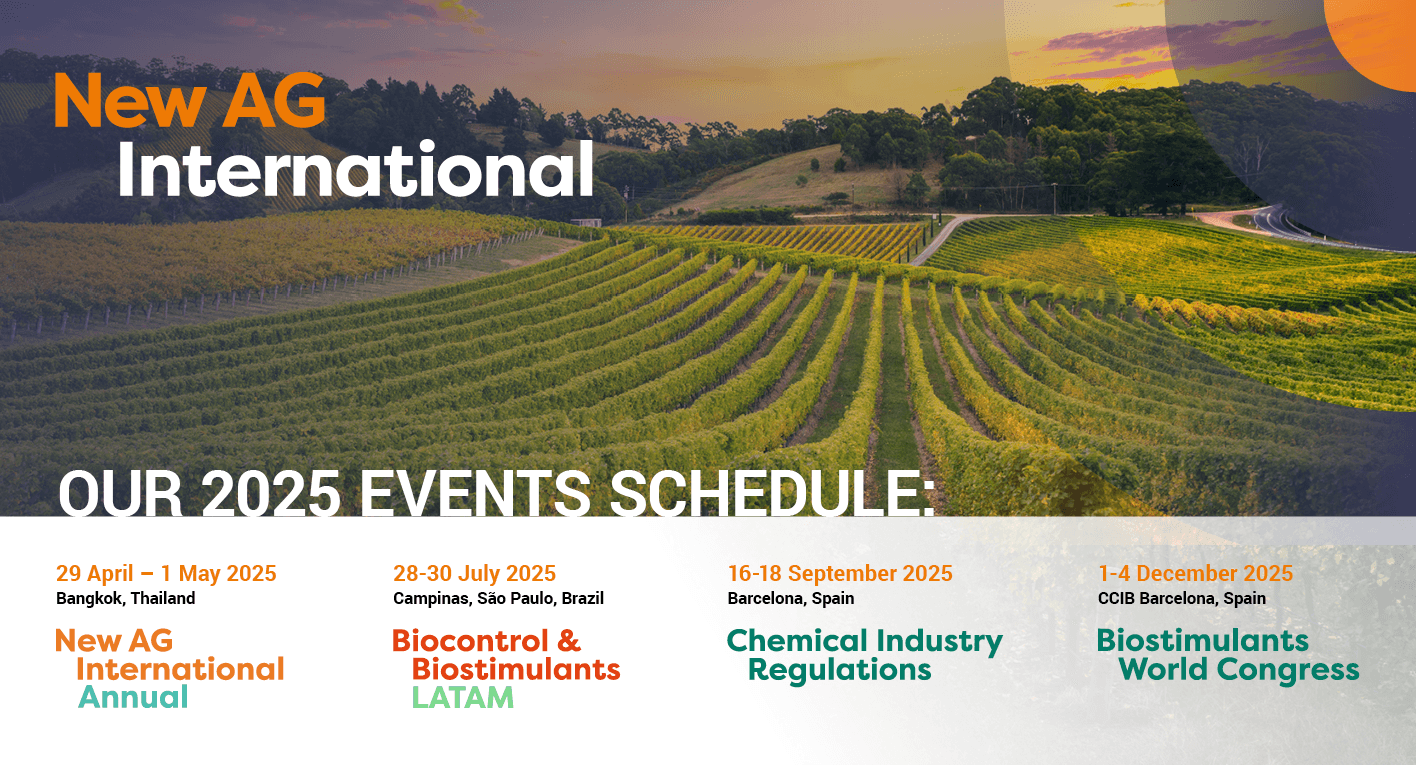
Focus on Southeast Asia New AG International is in Thailand 29 April-1 May for our 23rd Annual conference – “Revolutionizing Agriculture: Cutting-Edge Specialty Fertilizers and BioAg Innovations in Asia”. At this pre-eminent event, delegates will discover groundbreaking specialty fertilizers and BioAg innovations that are transforming the way farmers grow crops. To gain some insight into the Southeast Asia region, we have a piece by Professor Michael Tanchum. The demographic trends in the region will create a wealth of opportunities for agribusiness, combined with the drive towards agri-food self-sufficiency. Indeed, as Michael writes, the famed ‘tiger economies’ of Southeast Asia were quiet during the pandemic but are now on the prowl again. ●
All this and more in this issue of New AG International. We hope you enjoy the read!