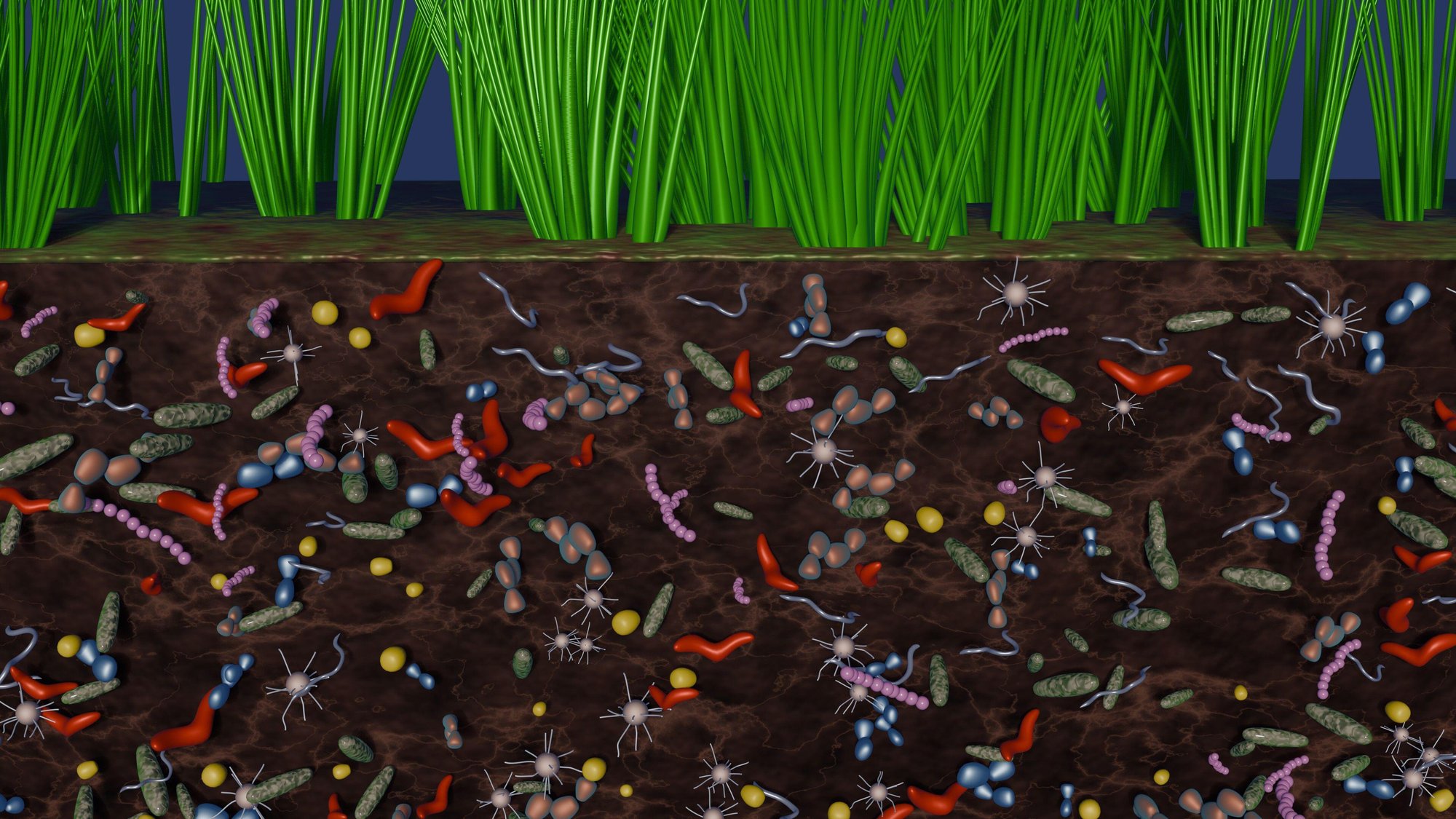
In the subsurface microbiome, good has a tendency to overpower evil, should it be introduced first, and in sufficient numbers. As such, biocontrols applied in the soil are proving to be particularly adept as these beneficial organisms stop pests before they can create problems above ground.
Eliminating pests and diseases before they take hold is key to optimal production and a successful harvest. Soil-applied biocontrols are proving to be a powerful tool in this regard since they target the pest at the very start of their lifecycle, before they are even able to cause damage. This proactive approach not only improves plant health from the outset but also reduces the need for chemical interventions later in the season.
Several options have already shown much promise in this regard. Trichoderma fungi has long been used as a biocontrol above ground but is proving to have an even greater effect on reducing pests when applied in the soil.
Trichoderma fungi have a wide range of uses, both fighting pests and boosting plant health. Spray applications on plants have been shown to prevent disease, promote growth and improve nutrient utilisation. Used as a soil treatment, it can prevent diseases from emerging altogether.
Dr. Johan van der Waals, technical manager at Real IPM in South Africa, uses the example of Botrytis and citrus black spot. “While these fungi attack plants above the ground, their lifecycles start in the soil. The fungi germinates and then sends spores up to the surface and into the orchard or field where it then infects the plants. Soil applications of Trichoderma kill these fungi, preventing any spores from reaching the surface.”
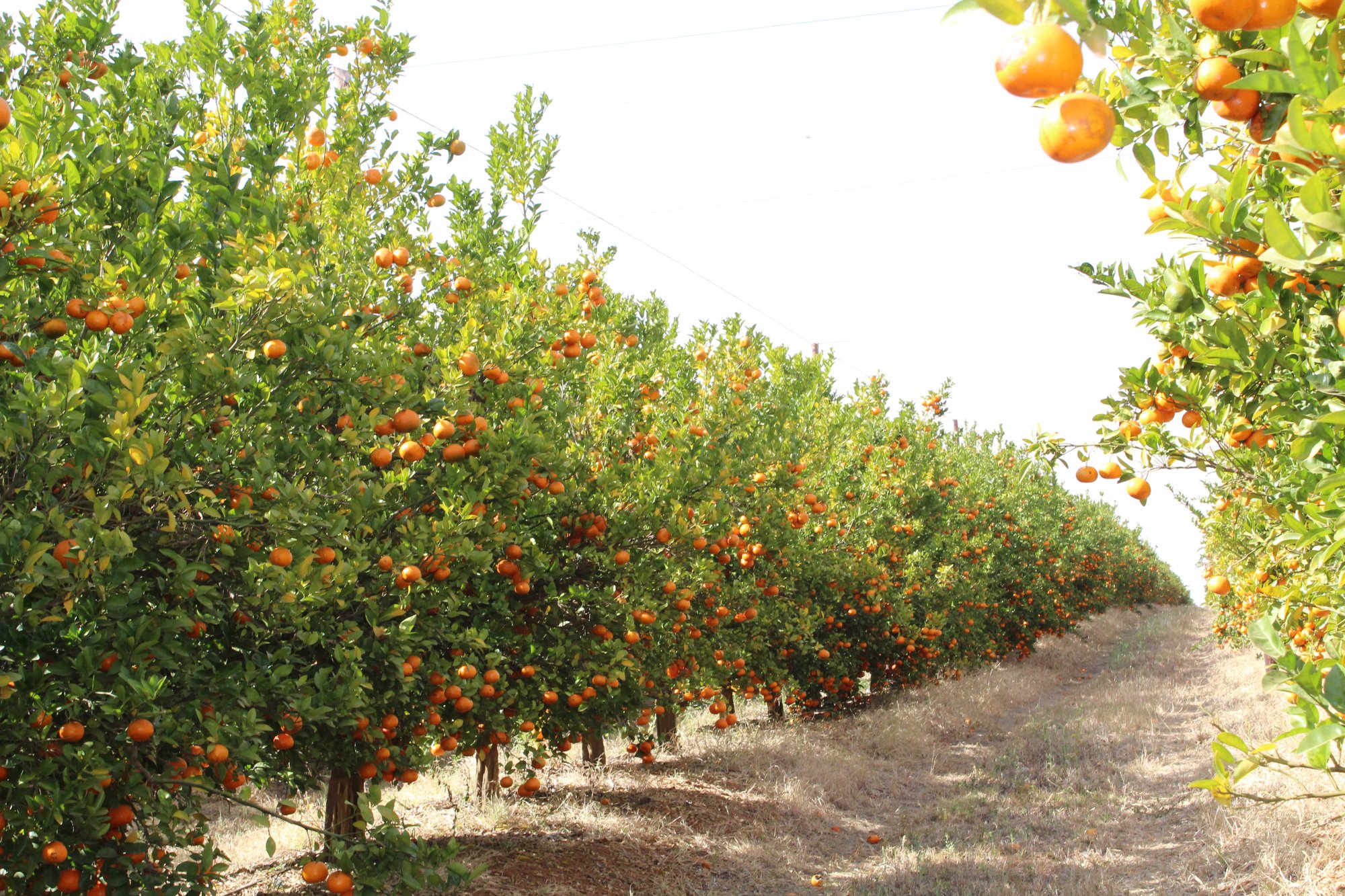
Controlling some of citrus’ biggest pests, like citrus black spotand mealybugs, starts with biocontrols applied to the soil wherethe next generation of pests are eliminated.
Photo: Lindi Botha
Trichoderma consist of multiple strains, with some forming a beneficial association with plant roots, while others establish themselves as endophytes, living inside the plant. Trichoderma have multiple modes of action: it produces secondary metabolites that suppress plant pathogenic fungi and bacteria, triggers plants to increase their resistance to pests and diseases, and aggressively competes for space and nutrients with other fungi, thereby reducing their numbers. Trichoderma is also a mycoparasite, attacking and eating other fungi present in the soil.
While Trichoderma works against plant pathogenic nematodes, they do not affect beneficial nematodes and the two biocontrols can be used in conjunction.
van de Waals explains: “The root-knot nematode, for example, lays their eggs inside the plants’ roots. Trichoderma produces an enzyme, chitinase, which dissolves the shells of these eggs, killing off the next generation. Since this process happens in the plant roots, and not in the soil per se, beneficial nematodes in the soil are not affected by the Trichodermas. Since beneficial nematodes are also administered as adults, Trichoderma’s effect on eggshells is not relevant to EPNs.”
Trichoderma should be applied preventatively, either as a seed or soil treatment. van de Waals notes that seed treatment works particularly well for reducing Sclerotinia infections on sunflowers.
“When the seed starts germinating in the soil, the root secretes sugar to attract organisms in the soil with which it can form an association. If the first organism that it comes into contact with is a detrimental fungi like Phytophthora or Sclerotinia, then the plant will be infected with this disease. But if the first-contact fungi are those that are beneficial, like Trichoderma, then the seed is bolstered and able to fight against pathogenic fungi that it might later encounter.” Seed treatments are followed up with soil treatments later in the season, done through the irrigation system, to boost and maintain Trichoderma populations.
While Trichoderma has proven to be useful in reducing Phytophthora in plant roots, van de Waals notes that in this instance, the Trichoderma can’t work alone. “Phytophthora thrives in anaerobic conditions, while Trichoderma requires oxygen. To address Phytophthora, one would first need get the soil aerated before introducing Trichoderma, or the latter won’t survive.”
Trichoderma has provento be useful in reducing Phytophthora in plant roots.
This beneficial fungus is mostly compatible with fertiliser and crop protection chemicals. “There are many combinations of chemicals and biocontrols that can be used together without negatively impacting the beneficial biology. But products must be taken on a case-by-case basis to establish compatibility before doing any applications.”
Worms to the rescue Not new to biocontrol, entomopathogenic nematodes (EPN) have been so successful below-ground, that researchers are now trying to find a way to use them
for above-ground control, without decimating these soil dwellers by exposing them to harsh sunlight.
EPNs, or beneficial nematodes, are tiny worms that work by releasing fatal bacteria either into pests or their eggs, killing them from the inside. EPNs are naturally found in the soil and their populations can be augmented by spray applications onto the soil.
Prof Antoinette Malan, an entomologist from South Africa’s Stellenbosch University, notes that key fruit pests like coddling moth, false coddling moth (FCM), mealybugs and weevils can be controlled by EPNs, since all these pests start their lifecycle in the soil, laying their eggs or spinning cocoons below the surface. “EPNs can hunt down pests, penetrating their bodies or eggs and killing them, whereas chemicals can only control the area they come into direct contact with.”
EPNs are generally applied in winter to target insects that hibernate or lay their eggs in the soil. Malan says that applications should therefore be timed according to the lifecycle of the pest, to prevent the next generation from emerging. EPNs can withstand most soil inputs, with the exception of nematicides.
As is the case with all biocontrols, EPNs are not an exact science and much research is still required to optimise their control for all pests, especially in terms of matching specific species of EPNs to particular pests.
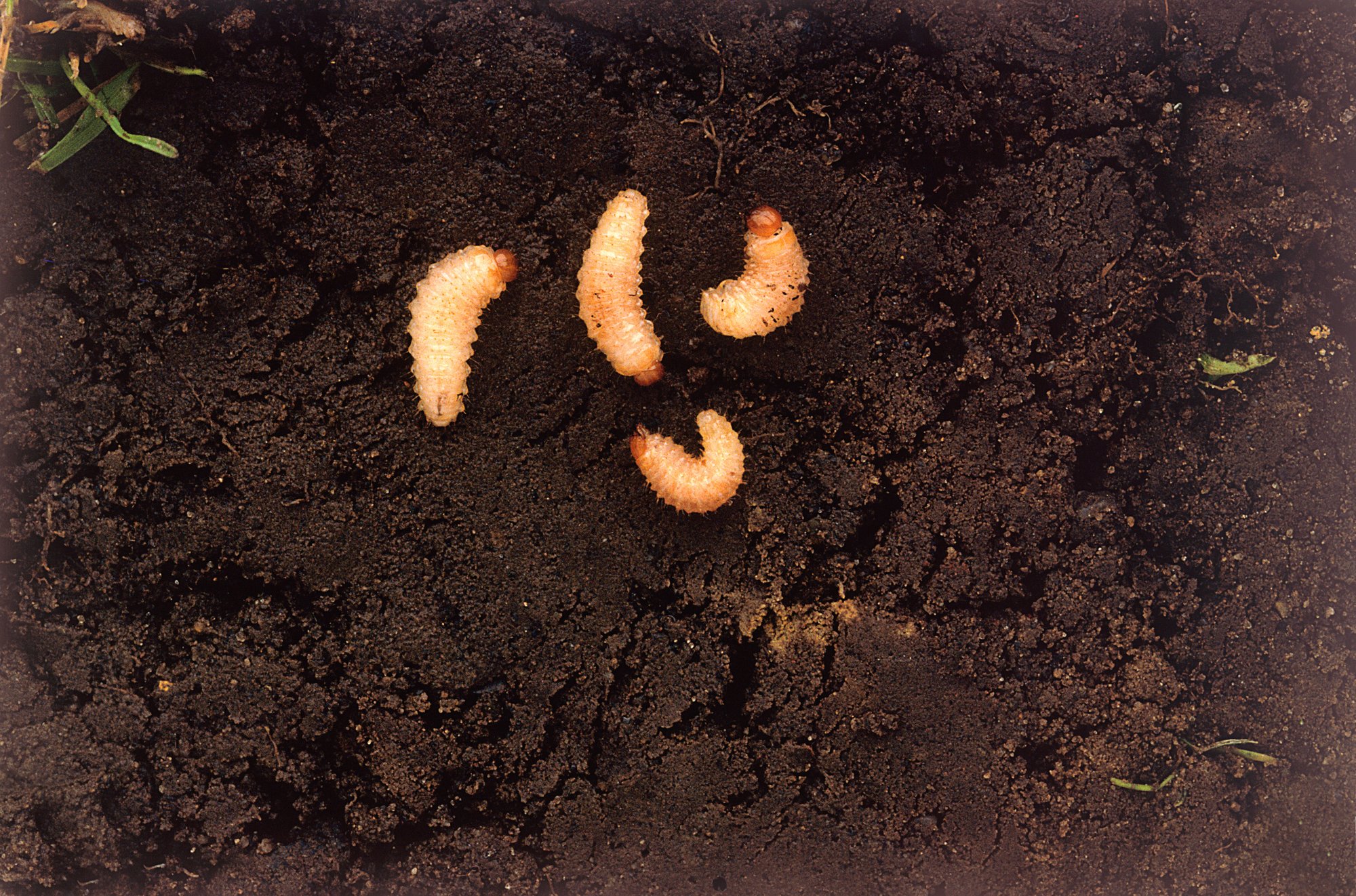
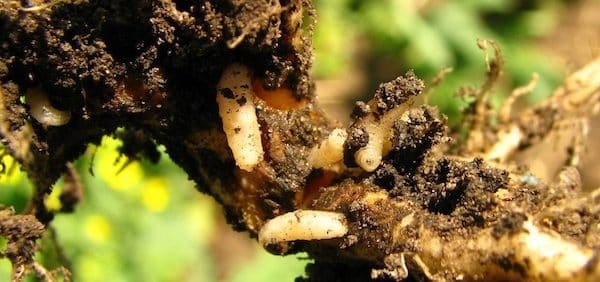
Weevil larvae can be controlled by EPNs.
Research conducted by the Canola Research Hub in Canada has also highlighted the need to investigate the role of indigenous EPN species for better control. Researchers Paul Tiege and Shabeg Briar, who conducted trials to determine the efficacy of four different EPN species for control of common pests found in Canadian canola crops, found that mortality rates of most insects generally increased with increasing nematode concentrations. However, EPNs belonging to the Steinernema genus provided significantly higher mortality levels of diamondback moth, lygus bug, cabbage root maggots and black cutworms.
Mortality rates for black cutworms were highest when using high concentrations of the H. bacteriophora EPN species but performed poorer than other species
when dosage rates were lowto medium.
The H. bacteriophora and S. carpocapsae species resulted in no to low mortality to cabbage root maggot larvae, at any concentrations. The other two species tested – S. feltiae and S. krausse – produced progressively higher mortality rates with increasing nematode concentrations, ranging from eight percent to 17 percent at low concentrations and up to 83 percent at high concentrations.
Results for diamondback moth control showed no preference for specific species, resulting in 63 percent control for low EPN concentrations, reaching 90 percent at high concentrations.
Pupal stage of root maggots appeared to be resistant to all EPN species and showed no host penetration of the pupal stage. Mortality of diamondback moth pupae was also lower than for larvae, indicating that EPNs should best be applied before pests reach the pupal stage.
Of the three Steniernema species tested against lygus bug nymphs, S. kraussei generally produced the highest mortality rates, followed by S. carpocapsae and then S. feltiae.
Tiege and Briar state that exploration of locally adapted and virulent strains of EPNs pertinent to the Prairies would be essential to gain a
better understanding on the level of control that can be obtained from EPNs on canola pests.
EPNs belonging to the Steinernema genus provided significantly higher mortality levels of cabbage root maggots.Credit: Canola Council of Canada
Malan echoed the need for more localised research, using indigenous EPN species. She notes that to date, few countries have been able to produce their own EPN products using local species, since large scale operations requiring big investments has been lacking in smaller countries, where farmers easily rely on imported products. This is however changing, as demand for biocontrols increase, and advances in technology has meant that expertise can be transferred to smaller companies, which can incorporate local EPN species.
A beneficial coupA more recent discovery is that of antagonistic yeasts, where trials have shown that they can significantly reduce soilborne fungal infections in tomatoes. The yeast works by aggressively competing for nutrients and space in the soil, rapidly reproducing and colonising the soil, pushing out other fungi.
Research conducted by Alicia Fernandez-San Millan, from the Institute for Multidisciplinary Research in Applied Biology at the Public University of Navarra in Spain, showed that biocontrol yeasts could be used to antagonise fungal phytopathogens, and therefore protect plants against soilborne fungal diseases like Verticillium wilt and Fusarium wilt. These fungal diseases have been listed in the top 10 most devastating fungal plant pathogens globally.
During the trials the yeast-like fungus Wickerhamomyces anomalus (Wa-32) reduced Verticillium wilt by up to 40 percent and Fusarium wilt by up to 50
percent in tomatoes grown both hydroponically and in soil. Fernandez-San Millan notes that the features of Wa-32 are of enormous interest since no effective antagonistic biocontrol product is available for the simultaneous control of these two fungal pathogens.
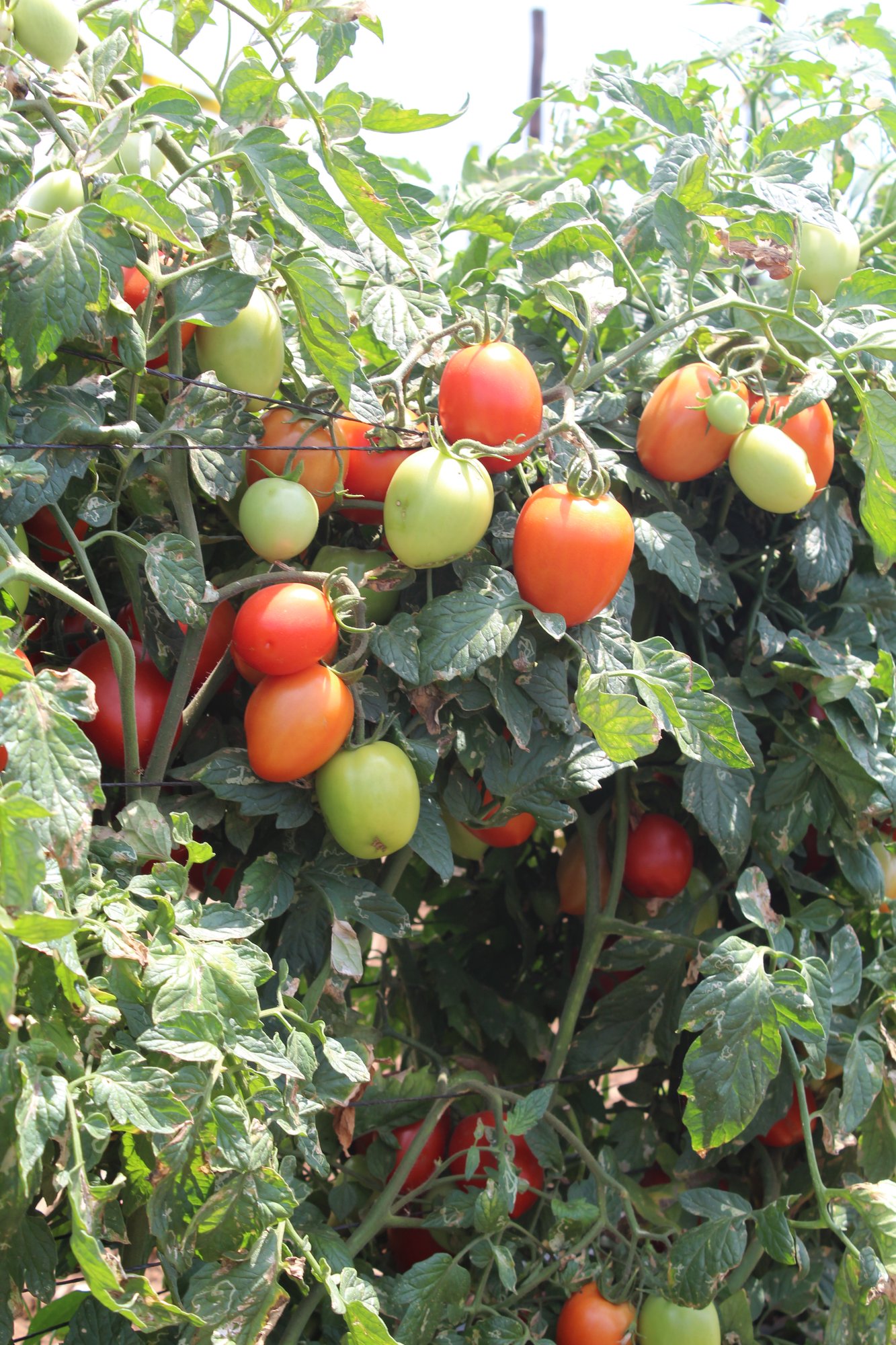
In research trials antagonistic yeasts proved to reduce Fusariumand Verticillium wilts by up to 50 percent. Inconsistencies in resultsfrom large scale commercial use has however hindered greater uptakeof this biocontrol.Photo: Lindi Botha
In addition, Wa-32 became endophytic in tomato plants, remaining there for most of the tomato’s lifecycle after its introduction, providing continuous protection. A promising avenue of further research involves exploiting this quality for seed or seedling biopriming prior to field establishment.
Fernandez-San Millan says that the possibility of using yeasts for controlling pre- and post-harvest fungal diseases is promising since they are universally found in the phytobiome. “There is a high degree of biodiversity that allows the discovery of natural and specific antagonisms. These yeasts are environmentally friendly microorganisms and Generally Recognised as Safe (GRAS) for humans and animals and therefore safe to manipulate. These yeasts can also be easily and cheaply multiplied to very high quantities.”
Despite these promising results, and decades of research, antagonistic yeasts have not been widely applied and marketed. Fernandez-San Millan says that this is because the yeasts have shown inconsistent performance when used under field conditions. She however hopes that the increasing focus to reduce crop protection chemicals, especially soil fumigants, will encourage more research and trials to find a successful implementation plan for this biocontrol.
Everything, all at onceWorking with natural rather than synthetic controls means that variance in efficacy is rife, with climatic conditions playing a large role in how effective the biocontrols are. The next step for research is therefore finding ways to have better control over the environment, even going so far as to engineer an ideal microbiome, or the microorganisms themselves.
In the research paper “Bacterial and fungal biocontrol agents for plant disease protection: journey from lab to field, current status, challenges,
and global perspectives”, lead researcher Muhammad Ayaz, from the Institute of Plant Protection and Agro-Products Safety, at the Anhui Academy of Agricultural Sciences in China, says that a key step forward would be to find ways to manipulate the composition and function of the plant microbiome to produce an environment suitable for biocontrol, and increase the growth and activity of beneficial microbes.
Microbiome engineering entails creating a modified microbiome with essential features required for crop disease management. Ayaz says that this can be achieved in two ways: bottom-up methods involve isolating, altering, and reviving certain microbes, or a top-down approach involving synthetic ecology, where beneficial traits are transferred to different microbes in the soil, where their effect on plant health is studied.
“By using biotechnological techniques and microbial engineering, we could create microorganisms with strong disease suppression features, heightened antimicrobial substances and a greater ability to colonise plant surfaces.”
He notes there are already many examples where biocontrols have been successfully modified for desired traits. For example, genetic engineering was done to introduce a glucanase gene – which is crucial in regulating the outcome in symbiotic and hostile plant-microbe interactions – to Trichoderma, which resulted in increased resistance to parasitic diseases such as Pythium, Rhizoctonia and Rhizopus.
“Soon, consortiums of microbes and biocontrol products may be utilised to improve biodiversity associated with crops via microbiome engineering to accomplish specific microbiome outcomes. From a practical point of view, microbiome bioengineering would be extremely helpful to develop microbiomes that are long-lasting, stress-resistant, and capable of increasing agricultural output. This approach, still in the early stages, will provide enormous benefits to biocontrol methods in the future.” ●
The possibility of using yeasts for controlling pre- and post-harvest fungal diseases is promising since they are universally found in the phytobiome,
On December 24, 2024, Law No. 15,070 of December 23, 2024 (“Bioinputs Law”), which regulates the production, use, and commercialization of bioinputs in the agricultural sector, was published in the Official Gazette of the Union (DOU).
The new law encourages the production of biological inputs or bioinputs for agricultural, livestock, aquaculture and forestry use.
Bioinputs are defined by the new law as products, processes or technologies of plant, animal or microbial origin, including those from biotechnological processes, or structurally similar and functionally identical to those of natural origin, intended for use in the production, protection, storage and processing of agricultural products or in aquatic production systems or planted forests, which interfere with the growth, development and response mechanism of animals, plants, microorganisms, soil and derived substances, and which interact with products and physical, chemical and biological processes.
These organisms can be employed as biofertilizers, promoting the development of robust root systems to enhance water and nutrient acquisition. Furthermore, they can stimulate plant resistance to pests, drought and various environmental stressors, among other beneficial applications.
The registration of biofactories, importers, exporters and traders of bioinputs inoculants, as well as of bioinputs inoculants produced or imported for commercial purposes, is mandatory in Brazil and must comply with Law 15,070/2024, being under the responsibility of the federal agency for agricultural defense, MAPA.
The innovations brought by Law 15.070/2024 include:
(i) Exemption from Registration and Agronomic Prescription for Own Use: Article 11 exempts from the registration requirement biological inputs produced for own consumption on rural properties. The use of biological inputs for own use is exempt from agronomic prescription, according to Article 29, paragraph 2.
(ii) Incentives for the Use of Bioinputs: Articles 19 to 23 establish official mechanisms to encourage the use of bioinputs agriculture, such as the development of public policies aimed at products, processes and technologies related to the promotion of bioeconomy and sociobiodiversity.
(iii) Inspection and Control Fee: The new law creates the Agricultural Defense Establishment and Product Registration Fee (Trepda), intended to finance the inspection and control activities of bioinputs. The fee ranges from R$ 350 to R$ 3500, depending on the type of registration and the size of the establishment. Cases of simplified or automatic registrations are exempt from the Trepda payment.
(iv) Definition of Technical Terms: The law presents definitions of different relevant technical terms such as, for example, the definition of a biofactory as being the establishment for the production of bioinputs for commercial purposes and that has facilities and equipment that allow for quality control and environmental and sanitary safety.
(v) Procedures for Registrationand Production: The law establishes procedures for the registration of establishments and products, as well as regulating production for both personal use and commercial production.
The topic of how on-farm production of bioinputs will be regulated has been the subject of much controversy in Brazil. Read 2Bmonthly’s in-depth exploration of this topic, featuring an expert panel: Brazil Advances in the Regulation of Bioinputs: An Opportunity and a Challenge for the Industry ●
The Vision for Agriculture and Food states that the European Commission will put forward a proposal, in 2025, accelerating access to biocontrol to secure a future-proof agri-food sector that works hand in hand with nature.
This brings European farmers a step closer to accessing more of the nature-friendly tools they urgently need to effectively protect their crops from pests and diseases. The International Biocontrol Manufacturers Association (IBMA) welcomes this proposal and looks forward to working on the next steps.
The IBMA says plant health is causing farmers sleepless nights. “Working with nature, biocontrol solutions enable farmers to protect crops by dealing effectively with pests and diseases and are vital to making agriculture more resilient,” notes the organisation.
Published today, the Vision for Agriculture and Food states: “Equally, the Commission will in 2025, as part of the simplification package in Q4, put forward a proposal that accelerates the access for biopesticides to the EU market. It will provide a definition of biocontrol active substances, introduce the possibility for Member States to grant provisional authorisations for plant protection products containing such biocontrol active substances while their evaluation is still ongoing and create a fast-track procedure for their approval and authorisation.” (p.19)
“The inclusion of biocontrol in the Vision for Agriculture and Food is a milestone moment for farmers, IBMA members, and agriculture in Europe,” says Jennifer Lewis, executive director of IBMA. “We now need these concrete simplification measures to be included in a legislative proposal. IBMA is looking forward to working with all stakeholders in 2025 as we celebrate our 30th anniversaryof leading biocontrol.” ●
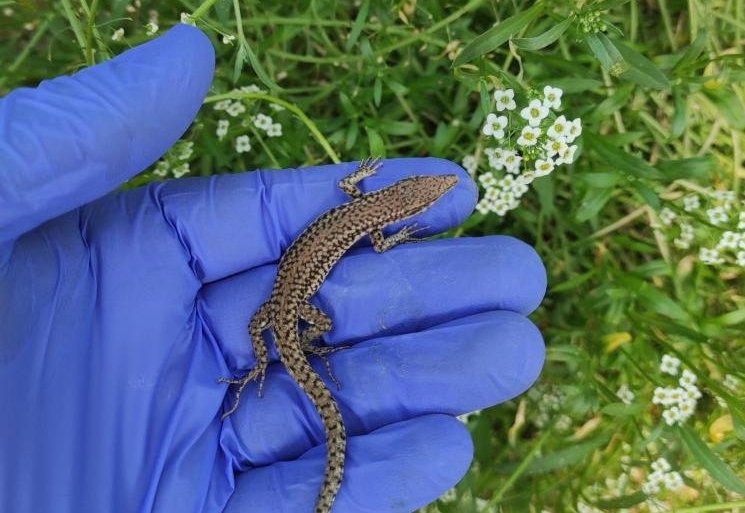
The Andalusian Institute for Research and Training in Agriculture, Fisheries, Food and Organic Production (Ifapa) has begun work in Almería to identify and quantify reptiles in greenhouses, a research project that seeks to assess the benefits that these species offer to farmers, as well as their role in pest control and ecosystem balance.
The study, developed by the biological control research group at Ifapa with the technical assistance of the environmental and agricultural consultancy ARIA, will deepen knowledge of the behaviour, adaptation and dynamics of these vertebrates in these agricultural environments.
This line of agroecological research launched at the Ifapa centre in La Mojonera (Almería) and co-financed by the European Regional Development Fund (ERDF), has recently demonstrated the role of insectivorous aerial vertebrates in the control of pests as important for horticulture as the tomato moth or Tuta absoluta.
The aim is to continue researching in this area in order to quantify the role of vertebrates as general biological control agents of these pests in greenhouses and to transfer the results obtained in the research to the sector.
Specifically, the work is part of the project "Emerging and re-emerging pests in protected horticulture" that Ifapa is developing until 2026 for the taxonomic and molecular identification of the populations of these pests, as well as their specific natural enemies and their usefulness as possible biological control agents.
At the same time, the project aims to offer solutions to specific pests such as tobacco thrips (Thrips parvispinus) or leaf miner (Liriomyza spp), which pose a serious threat to greenhouse horticulture in Almería. ●
Syngenta has acquired the Novartis repository of natural compounds and genetic strains for agricultural use.
Syngenta says the move gives the company access to an important source of novel leads for agricultural research, and offers Syngenta integrated capabilities in bioengineering, data science, fermentation, downstream processing, as well as analytics.
As part of the agreement, which is expected to close on June 1, Syngenta will lease the Novartis fermentation pilot plant and science laboratories located in Basel, Switzerland. The transaction also includes transfer of the Novartis Natural Products and Biomolecular Chemistry team to Syngenta.
This acquisition follows the start-up of Syngenta’s new biologicals production facility in Orangeburg, South Carolina, U.S. The facility is Syngenta’s first world-scale production facility for agricultural biologicals in the U.S. and will support growing demand for science-based and novel biological solutions in both the North and Latin American markets. ●
Biological crop protection company Bioline AgroSciences has been acquired by European investment group Eurazeo.
Bioline AgroSciences says Eurazeo has become the principal shareholder, through the Eurazeo Planetary Boundaries Fund (EPBF). There were no financial details inthe release.
“Joining EPBF will significantly enhance our positive impact," said Ludwik Pokorny, CEO of Bioline AgroSciences. "This collaboration provides the financial support, expertise and strategic guidance Bioline needs to continue innovating, expanding, and strengthening its environmental and business objectives."
Eurazeo has €35.5 billion in diversified assets under
management, including €25.2 billion on behalf of institutional and retail clients through its private equity, private debt, real estate and infrastructure strategies.
Bioline AgroSciences operates six bio factories across the US, UK, France, Spain and Kenya and primarily serves high-value crops such as berries, flowers, ornamentals, fruitsand vegetables. ●
Scientists at the University of Florida are testing a new type of citrus tree that can fight off the tiny insects responsible for citrus greening.
While the genetically edited tree has only been tested so far in the lab and the greenhouse, it is one of the most promising discoveries to date in a challenge that has plagued growers, researchers and consumersas Florida’s citrus industryhas plummeted over the pasttwo decades.
The approach involves inserting a gene into a citrus tree that produces a protein that can kill baby Asian citrus psyllids, the bugs that transmit the greening disease.
That gene normally occurs in a soil-borne bacterium called Bacillus thuringiensis (Bt).
This gene provides instructions for the new citrus tree on how to make this protein. Thus, when you put the gene into the tree, the plant produces the protein that kills psyllids.
While this approach can kill baby psyllids, University of Florida, Institute of Food and Agricultural Sciences (UF/IFAS) scientists are close to finding a solution to control the adult pests.
“We are trying to deploy a biotechnological solution that is sustainable, easy for growers to deploy and replaces the need for spraying insecticides," said Lukasz Stelinski, an entomology professor
at the UF/IFAS Citrus Research and Education Center. “That can’t be done completely with the current Bt trees and thus it might require some additional, albeit reduced, insecticide spraying for adults, for example.”
So far, scientists have developed the modified tree in the lab and the greenhouse. Now, they must prove this method works in the field – and they’re still a few years away from perhaps reaching that conclusion, Stelinski said. They hope to begin testing the trees in about a year.
Since it was reported in Florida in 2005, greening, also known as Huanglongbing, or HLB, has damaged most of the citrus trees and the fruit they bear, around the state, leaving growers and scientists seeking answers to the disease.
Through the new research, scientists have found that the tree is protected because all juvenile psyllids that feed on the tree are killed, Stelinski said.
“A citrus tree that produces its own potent defense against the Asian citrus psyllid by preventing this insect from reproducing would reduce or possibly eliminate vector populations,” he said. “In terms of stopping HLB, this approach could curtail the ability of an otherwise very effective vector from spreading the pathogen.”
Before UF/IFAS scientists started this research a few years ago, they knew that certain Bt proteins could kill other sap-sucking insects, but none were known to kill Asian citrus psyllids. This protein kills psyllids. It binds to specific receptors on the gut wall, causing pores to form. This disrupts the insect cells on the gut wall, ultimately killing the insect.
In their experiments, scientists at CREC inserted a gene from Bt into citrus trees. The gene yields a protein in the phloem – the vascular part of a leaf where the psyllid feeds. Ultimately, that protein protects the tree from the psyllid and therefore, from citrus greening.
Bryony Bonning, an eminent scholar and entomology professor on the main UF campus in Gainesville, led the research to identify the bacterial proteins that kill psyllids.
In the most recently published study, UF/IFAS researchers found that the protein derived from Bt can kill the vast majority of the psyllids in their earliest stages. Additionally, no new adults can emerge on the tree, so adults laying eggs on these plants will not perpetuate the population.
Adult psyllids remain an issue that scientists hope to solve in future research. For now, they’re working on controlling the baby psyllids on citrus trees.
“Given the widespread use of Bt proteins for protection of other crops against insect pests, we think we’re on the right track for control of the Asian citrus psyllid,” he said. “The next step is to prove this method works in the field, so that citrus growers everywhere will no longer have to contend with the insect that transmits this deadly disease. The next stage is to grow these trees in the ground into a more mature stage under natural field conditions.” ●
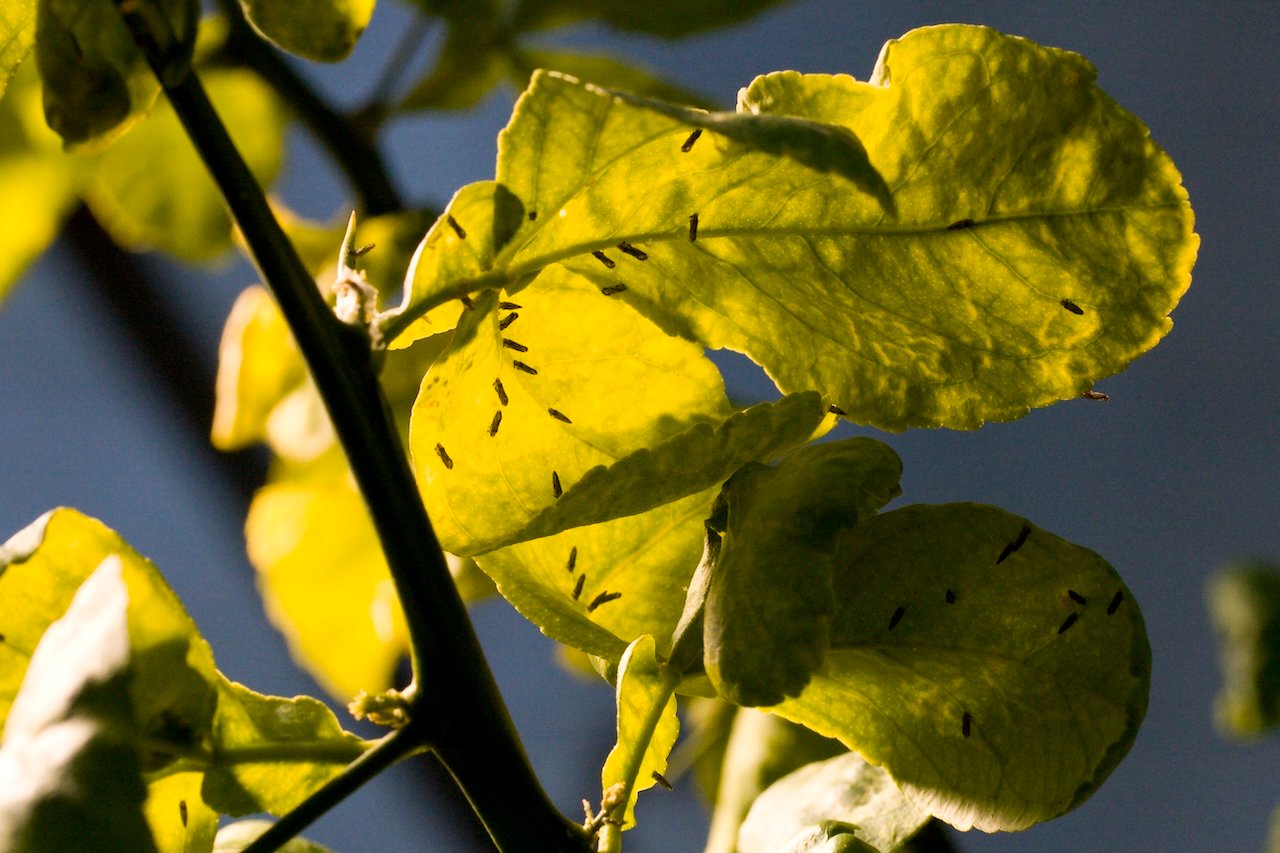
An adult Asian citrus psyllid. Courtesy, UF/IFAS photography