Topcon Positioning Systemsis a designer, manufacturerand distributor of precision measurement and workflow solutions for the global agriculture, construction and geospatial markets. The company strives to improve productivity and workflows to meet demand for sustainable agriculture and infrastructure. Founded in 1932, Topcon Positioning Systems is headquartered in Livermore, California, U.S., with a European head office located inthe Netherlands.
New AG International connected with Antonio Marzia, Executive Vice President and General Manager at Topcon Agriculture to learn more.
Antonio Marzia , Executive Vice President and General Manager, Topcon Agriculture
How does Topcon Agriculture work with machinery and brand names in the industry? Our technology works with almost every agricultural machine on the market – with all of our products, software and services designed as standard to be universal and ISOBUS compliant. Through this, we can also interface with third-party technologies.
We make solutions that are compatible with both new and older equipment, giving farmers and contractors the flexibility they need without restricting them to a single brand. We also work closely with OEMs and aftermarket distributors to ensure our solutions meet industry standards and provide value across the entire farming ecosystem.
The end goal is to give farmers holistic solutions to the problems they face, and to help them make the most of their land. It’s why we design our solutions to work with as many different types and brands of machinery as possible, and why we offer products that span the full breadth of the farming cycle. These innovative solutions help make farming more precise, more sustainable, more efficient and more cost effective – reducing the amount of time spent in-field and optimizing inputs, whether that’s spraying, seeding, or feeding.
How do you keep up with precision technologies? Put simply; we listen. Our teams continuously evaluate trends and challenges by being on the ground and in the field with farmers. This gives us first-hand insight into the day-to-day within the industry, and that feedback is at the heart of our approach to innovation. So, when we bring a new product to market, we know it’s not only providing a solution to a real-life problembut it’s also making farmers’ lives easier and improving their returnon investment.
Photo: Topcon Agriculture
Moreover, precision agriculture is evolving rapidly and staying ahead requires a tangible commitment to innovation. We invest heavily in R&D and are continuously researching, developing and testing products throughout our sites across the world to stay at the forefront ofour sectors.
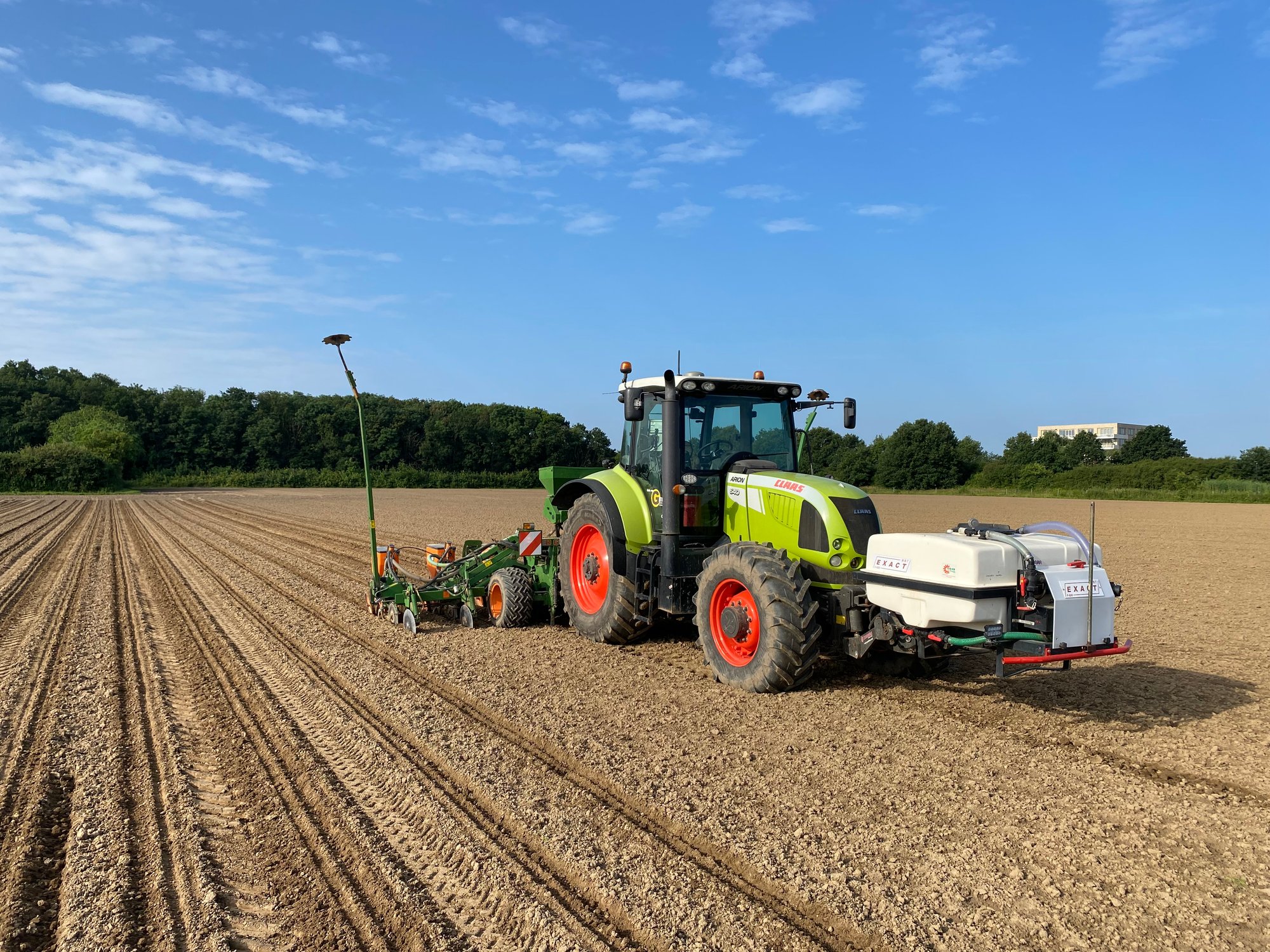
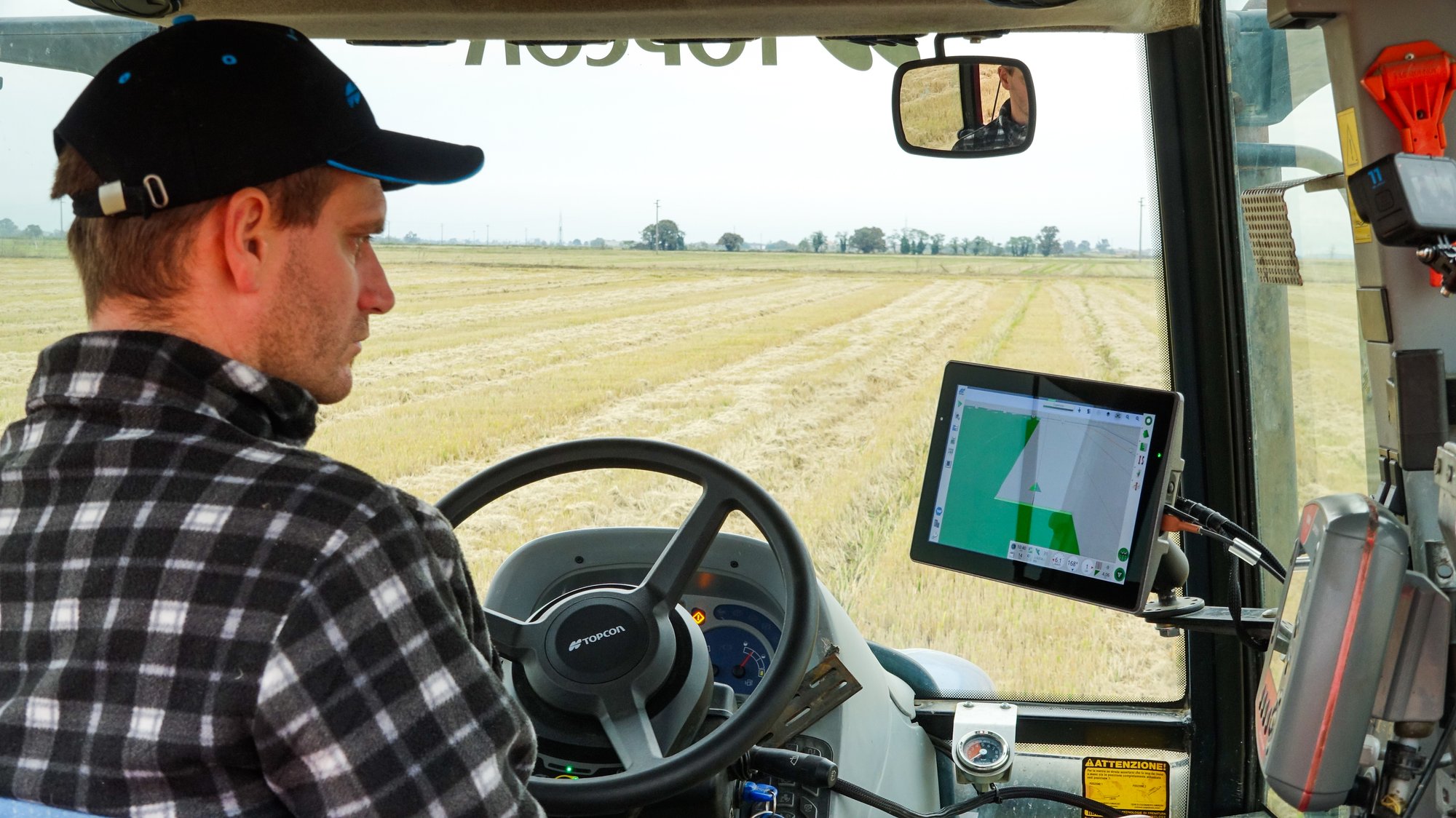
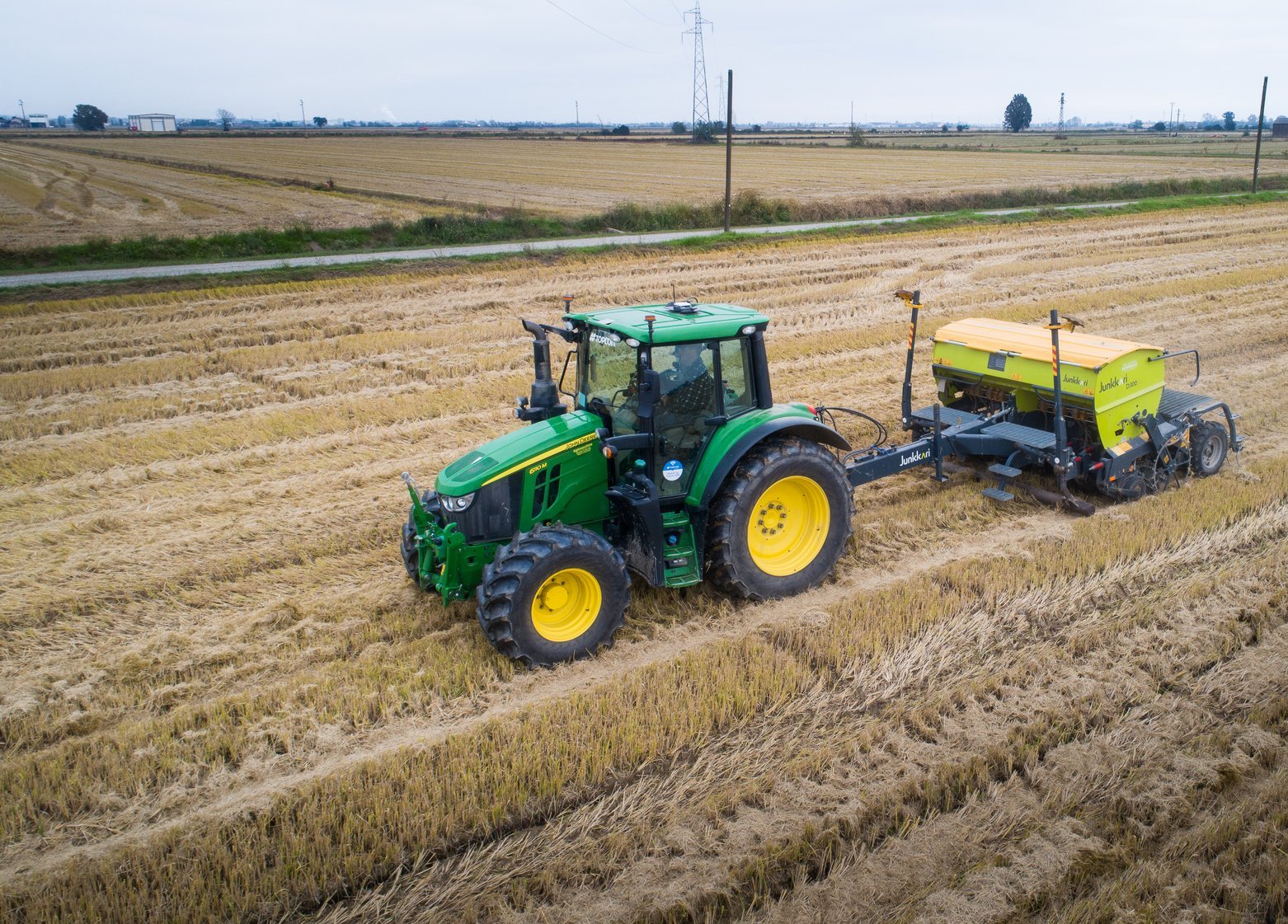
Can you provide some tangible examples of how your technology helps farmers? One example is our autosteering technology, which can be used across every stage of the farming process – whether that’s soil prep, crop care, planting or harvesting with sub-inch accuracy, reducing overlap and increasing efficiency. Automated guidance systems use GNSS technology to control a farm vehicle’s steering, adjusting the vehicle's path in real-time, based on predefined coordinates, which allows farmers to operate more efficiently, save time, and minimize fuel and input costs.
The tangible benefits of this are clear across farms of all sizes; a one-foot overlap from a 100-foot cultivator on a large farm is wastage of one percent. On a smaller scale, the same overlap on a 30-foot cultivator results in three percent wastage. In both cases, this represents a huge amount of loss that autosteering technology can help avoid – saving farmers time and money that can be re-invested elsewhere.
Precision technology makes farmers’ lives easier on and off the tractor and, beyond the obvious benefits, it gives farmers time back to focus on growing their business, managing the office, or away from the farm entirely. The list of benefits is truly endless. From land-forming and yield mapping to seeding, planting and crop care, or even feed management, precision technology improves efficiency and productivity across the entire agriculture workflow.
Specifically, how are your solutions customized to meet the specific needs of different types of farming operations (e.g., crops, livestock, irrigation)? Our solutions are designed with each, and every, stage of the farming workflow in mind, and reflect the nature of the opportunities and challenges faced by farmers across the world. Take, for instance, the rising pressure for farmers to feed a growing global population – producing more food with less inputs. It’s a significant challenge that requires a concerted effort from farmers, technology manufacturers, policymakers and other industry stakeholders. But the first step for the individual farmer? Soil preparation that (literally) lays the groundwork for a more successful yield.
It’s why we offer a variety of solutions for the soil preparation phase; starting at land-forming with laser or GNSS solutions, all the way up to the tillage depth control and auto-steering. Our autosteering and tillage depth control solutions, for example, work by adding two or four sensors to the tillage implement – depending on the size of the machine and the needs of the farmer – and it’ll follow a pre-set depth all the way through the field giving farmers a simple and efficient way to achieve a consistent depth of tillage across a full field, no matter the terrain. The added bonus is that the consistent depth reduces fuel usage as the machine won’t go too deep, demanding more power and fuel from the tractor.
For crop farming, we offer row crop planting, seed drilling and air seeding solutions, meaning farmers can opt for the solutions that best suit their farm. With variable rate control (VRC) support, the spacing of the seeds is also exactly as intended, so crops aren’t competing with each other for nutrients and sunlight helping increase yields.
Our VRC support goals across a range of other applications too, including spraying and spreading, which can further reduce costs while following rate maps – making sure different areas of the field get the right amount of nutrients for a successful harvest.
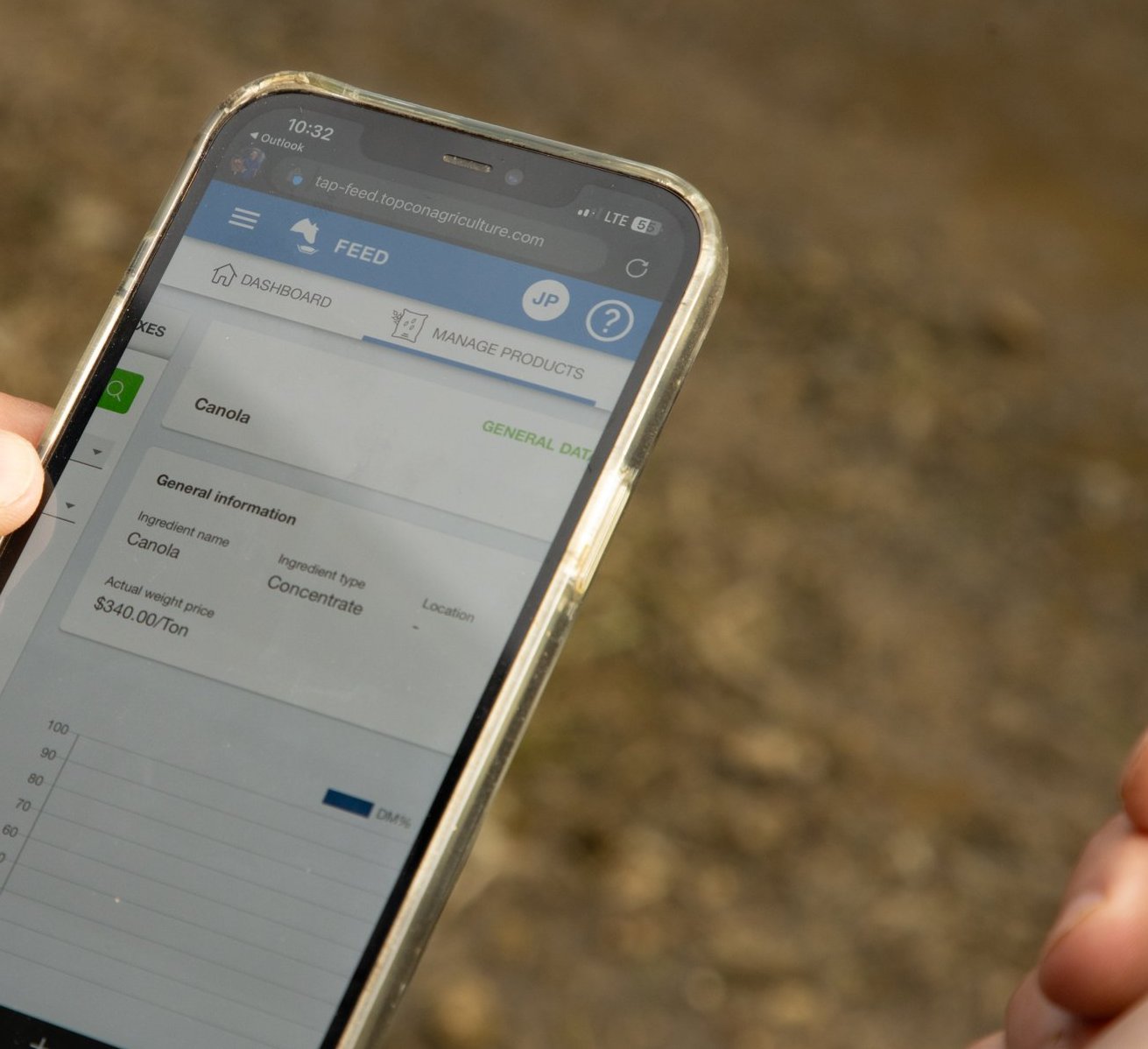
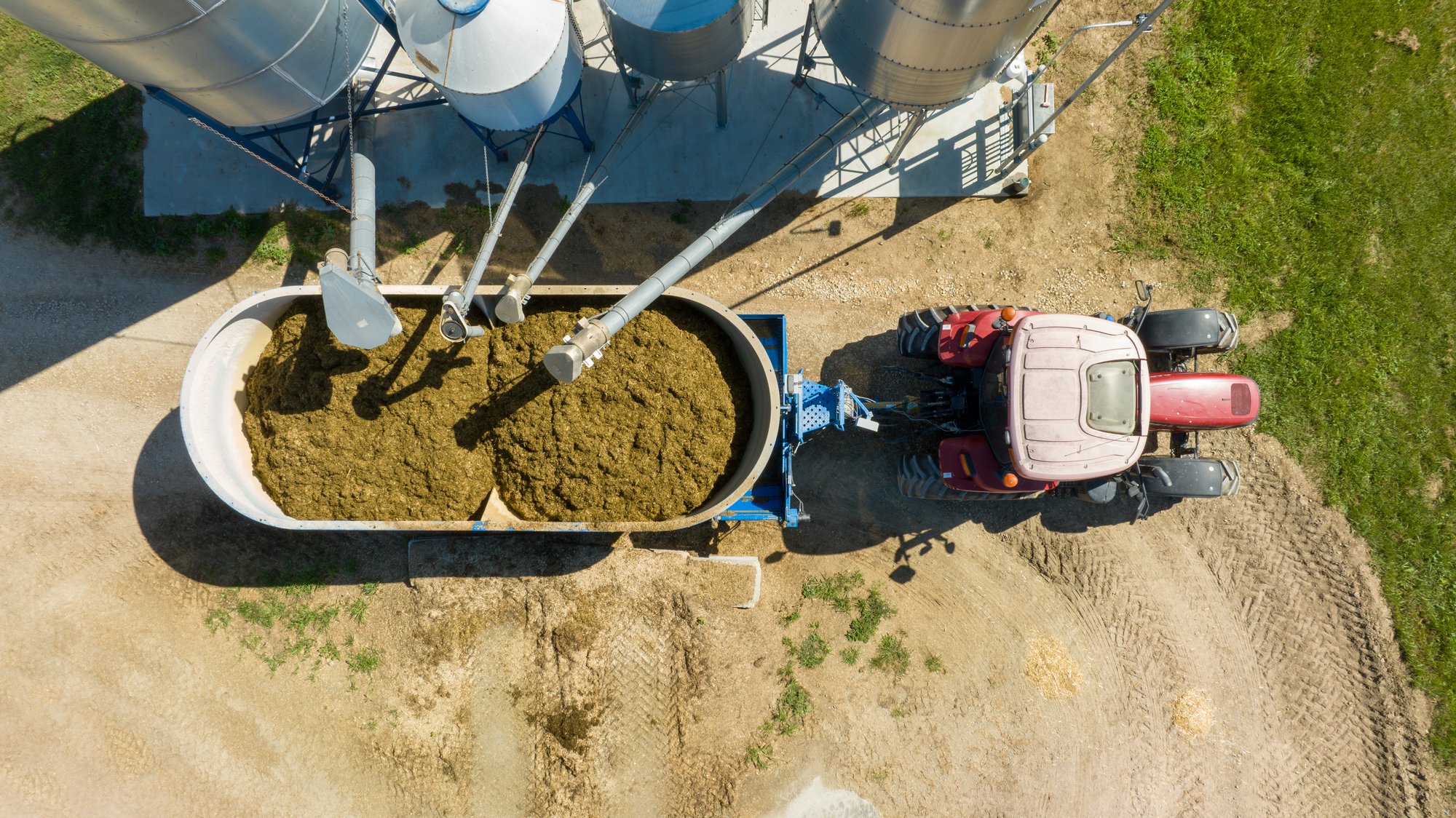
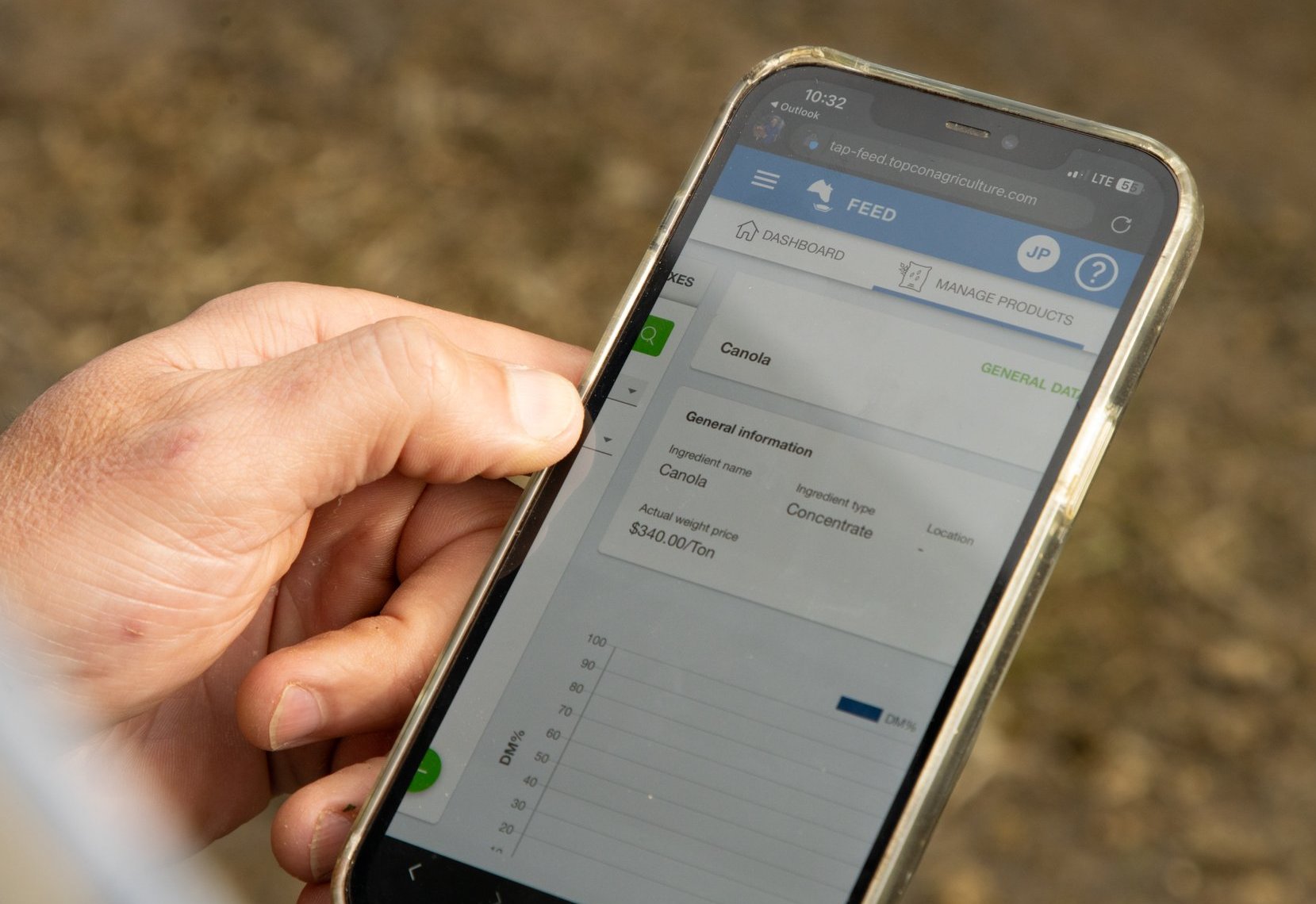
In livestock operations, our weighing and herd management solutions help farmers optimize feed strategies, with precise rationing and feed conversion ratios that minimize waste and improve profitability. With feed being a large outgoing cost for livestock farmers, keeping the process as efficient as possible is a key goal for farmers – and we’re helping enable that.
Then there’s TAP, our workflow management software platforms, which brings all these solutions together with versions for both crops (TAP) and livestock (TAP FEED). TAP lets farmers optimize all aspects of their operation from their phone or computer, giving farmers access to everything from management and planning tools to data analysis and prescriptive mapping. With TAP you get all the real-time data you need to seamlessly optimize your operations and make smarter decisions atevery turn.
How do your systems perform in various geographic regions or climates? Our solutions are designed to function effectively across a range of climates and terrains. Whether it’s extreme heat, cold or high humidity, our technology is rugged and built to withstand harsh conditions.
Our satellite network is also one of the most comprehensive in the world, meaning we’re able to provide strong GNSS connectivity to almost anywhere on the planet. In combination with our Topnet Live offering, our solutions automatically switch between satellite corrections and RTK cellular networks to eliminate downtime, ensuring that farmers anywhere can benefit from accurate precision agriculture solutions with stable connectivity.
Collecting and processing data from the field is crucial in precision agriculture systems. Can Topcon’s data be exported to other software or systems, and in what formats? Yes, interoperability is a key feature of our solutions and many of our solutions are ISOBUS certified. Data collected by our systems can be exported in widely used formats such as shapefiles, XML and ISOXML, making it compatible with most farm management software. This allows farmers to integrate our insights with other platforms they use, ensuring seamless operation across their entire digital ecosystem.
What is the expected ROI or cost savings, and how long does it typically take to see a return? The return on investment depends on the specific technology implemented and the size of the operation – it's all relative – but many farmers see cost savings in fuel, labor and inputs within the first season of use. For example, autosteering alone can reduce fuel and input costs by up to 15 percent on average, and in some cases more.
Our new Value Line autosteering solution brings high-precision guidance technology to smaller farms or machines at a fraction of the cost of full-scale hardware and software suites. At Topcon we are proud to contribute to this democratization of precision farming technology access.
Are your systems adaptable to changing farming practices or technology upgrades in the future? Absolutely. Adaptability and modularity are a key part of how our technology works. Our solutions are designed to be built upon as farmers’ needs change – starting small if needed and adding new technologies as required.
We continuously look at new ways to upgrade our existing offerings, whether through improvements in GNSS coverage, or additions to software packages and UI updates. By designing with the future in mind, we can ensure compatibility with emerging technologies, and we regularly provide the software updates needed to ensure farms remain future-proofed.
Looking at your crystal ball: what does precision agriculture look like in five years, 10 years, and beyond? Over the next five to 10 years, I’d expect to see widespread adoption of precision agriculture technology across all farm and machinery sizes, with a differentiation between value and premium product offerings,that we believe need to be scalable and modular.
The future is automation in farming, as well as a greater integration of AI decision-making and data analysis. The development of AI will enhance the interoperability of all kinds of precision agriculture solutions and allow farmers to collate and analyze data from more places, and in greater detail. The use of robotics, drones and satellite imagery will also continue to expand in line with this demand for data until we have a truly data-driven farming ecosystem.
The initial step is expanding these data pipes to give farmers access to more sources of information and then bring that data into the decision-making process to optimize farming practices, with digital twins of farms allowing for real-time monitoring and predictive analytics.
The autonomous machinery sector will continue to develop, and Topcon is already able to provide some of the building blocks of autonomy, such as implement control, connectivity or mission path planning. Topcon is an innovative company and at the same time, a core player in the precision farming sector, with reliable technology and quality standards. So, we are committed to continued innovation and developing solutions to help farmers maximize their yields, reduce their input costs and realize the full potential of their land, while preserving the soil. ●