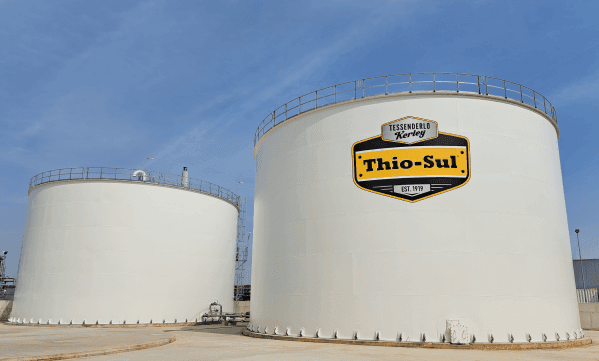
Photo, previous page:Tessenderlo Kerley's new Thio-Sul plant in Geleen, Netherlands.Credit: Dr. Nicolas White, Tessenderlo Kerley
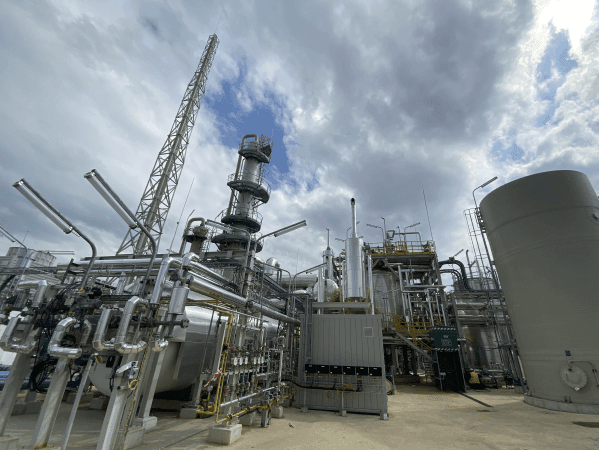
Tessenderlo Kerley has ramped up production at its newly constructed Thio-Sul plant within the Chemelot complex in Geleen, Netherlands.
The 130,000 t/y ammonium thiosulphate (ATS) plant is Tessenderlo Kerley’s third European production site for its ATS product Thio-Sul (12-0-0-26 S w/w), produced from the reaction of liquid ammonia and molten sulphur, which is pumped into the process.
Tessenderlo Kerley (TK) uses ammonia produced by OCI at the site at Geleen. Molten sulphur is brought in from European refineries. The reaction is exothermic and TK supplies steam to other manufacturers at the Chemelot complex. “We produce more energy than we need,” said Remo Kanders, TK’s Plant Manager at Geleen.
The intermediary product in the process is ammonium bisulphite, which has various applications. It can itself be applied as a fertilizer but is less common than ATS,and in the past was used widelyin the developing process forprint photographs.
The liquid Thio-Sul product isstored on-site in one of the two tanks, before being trucked to the Port of Chemelot at Stein, whereit is barged north on the Juliana Canal which joins the River Maas (Meuse). Tonnes are taken onwards to Antwerp or Rotterdam. TK has additional storage at the inland terminal Cuijk, which lies onthe Maas.
Construction of the new Thio-Sul plant began in 2022, and the first tonnes were produced in September 2024, before the official opening on 21 November. TK held a conference and visitor day for its key customers and stakeholders on 11-12 December 2024, which was attended by New AG International.
One of the large-volume uses for Thio-Sul is to be blended with UAN 32, UAN 30 or UAN 28, particularly in North America and European markets, as well as South America. When speaking about the agronomic benefits of the product, Régis Muteau, lead agronomy manager, said that Thio-Sul was “a liquid by origin, it was born a liquid.” This was a reference to the development of the Thio-Sul product by the Kerley brothers in the U.S. in the 1950s. They took waste products from the refining process, creating sulphur-based liquid fertilizers that could be applied through irrigation equipment. The product offers the highest concentration of sulphur for aliquid fertilizer.
Double registration Muteau described how Thio-Sul can also inhibit volatilization and nitrification. The French Agency for Food, Environmental and Occupational Health and Safety (ANSES) officially recognised (homologated) Thio-Sul as a double inhibitor on 4 November 2024 (AMM: 1171327). Muteau said TK is working on the mutual recognition across the 27 member states of the European Union, as well as obtaining recognition in the United Kingdomand Australia.
Muteau made the point that the UAN and Thio-Sul need to be applied together for the Thio-Sul to work as an inhibitor. The optimum blending rate is between 10-25 percent of Thio-Sul to inhibit nitrification and volatilization. This slows the conversion of the ammonium to nitrates, retaining the ammonium for longer in the root zone and lowering the risk of the nitrate leaching.
Complementing the discussion on inhibitors, Patrick Heffer, deputy director general with the International Fertilizer Association (IFA) gave a presentation on the latest estimates for inhibitor usage in fertilizer markets. He opened by detailing how nitrogen use efficiency has increased from around 40 percent in the 1980s to about 55 percent by 2022. He warned that to reach a global average of 70 percent, a consensus target approved by IFA’s board, the adoption rates need to increase from 0.4 percent per year in 1990-2022 to around 1.3 percent per year.
IFA estimates the global urease inhibitor market in 2023 to be approximately eight million product tonnes, and three million product tonnes for the nitrification market.
Soil health benefits Muteau also described how Thio-Sul can improve soil health. The thiosulphate part of the fertilizer can stimulate microbes in the soil (Thiobacillus bacteria), resulting in soil that is less compacted.
Writing for New AG International, Tessenderlo Kerley’s portfolio and knowledge director Dr. Nicolas White explained how the different forms of sulphur in a thiosulphate can be utilized to deliver sulphur to the crop over an extended period of time (see link below).
Expansion plansThe Geleen site is the third production site of Thio-Sul for TK in Europe. The first site outside the U.S. was in Rouen, France, which began production in 2017. The second site is in Trecate in Italy, which is not a plant owned by TK, but the company has the 100 percent off-take agreement. When discussing TK’s business strategy, Victor Soloukhin, product manager nitrogen and business development manager said a fourth European site was under consideration.
The Kerley business joined Tessenderlo in 1995. This gave Tessenderlo a liquid fertilizer business to build on its famous potassium sulphate (SOP) business. Tessenderlo is the world’s largest producer of water-soluble SOP and thiosulphates, said Geert Gyselinck, executive vice president of Tessenderlo Kerley International, during his opening presentation.
“Thio-Sul is really a unique product, because it is a fertilizer, bringing important nutrients to the crops, in a unique form, thiosulfates, and at the same time a double inhibitor that is preventing nitrogen losses through volatilization and nitrification. So, it’s an important building block in farmers’ efforts to achieve maximum yields with minimal nitrogen losses, good for farmers, good for crops, good for the environment,” said Kathleen Dejaeghere, marketing and sales director Europe, told New AG International.
Tessenderlo Kerley’s main production site for SOP is approximately 60 km from Geleen,at Ham in Belgium.
For more on thiosulphate, read here from NOV/DEC 2024 issueof New AG International. ●
‘Made in Taiwan’ is an international phrase, more commonly associated with microchips than biologicals. But the latest to roll off the manufacturing line is precision-orientated peptides, otherwise shortened to POPs. New AG International began the year with a visit to the R&D and production facilities of CH Biotech in Taiwan. During the week of the visit, the company launched its first biostimulant product on the local market. Formulated as liquids, the FuTai range is based on peptides derived from the waste products. The location of the production plants is a clue to the raw material that the company is exploiting. But what are the challenges in scaling up and where does the company plan to take the product?
Think of Taiwan and agriculture, and the production of green tea would probably be expected, but coffee?
CH Biotech’s biostimulant is applied to the coffee grown by the Taiwan Tea Corporation (TCC) in Yuchi, which is near to the Sun Moon Lake, the largest lake in Taiwan.
The area is only 14 hectares, at 700m relatively low elevation for arabica coffee, but already the coffee has achieved a score of 80 from The Specialty Coffee Association, enabling it to be marketed as a specialty coffee.
The application of POPs as a foliar can enhance the yield and quality of the coffee. Details are given in a textbook that CH Biotech has published on its research (see reference). “The results show the application of POPs can increase the number of coffee fruits, especially the effect of application during the flowering stage is more significant.”
Product launchIn January, CH Biotech launched its FuTai biostimulant range in Taiwan. This included five products, FuTai 1 through to FuTai 5, each for different crops, from rice, coffee to fruits and vegetables.
The company made its name in plant growth regulators (PGRs) with a manufacturing facility in California and holds from the U.S. EPA 13 technical-grade PGR registration certificates, and 19 product registration certificates.
Founder and chairman Chen-Pang Wu, who goes by the name of ‘Denny’ from his time in the US (see insert box), told New AG International: “Today our primary partner is Nutrien Ag Solutions, and our PGR products are marketed under Nutrien’s retail brand Loveland Products.”
The main markets for CH Biotech are primarily in countries where Nutrien has a footprint, the Americas and Australia, as well as certain SEA countries such as Indonesia.
“Our next step is finding partners to expand to additional markets in the
EU and Japan. In addition to our PGR products, we have our new precision-oriented peptides biostimulant platform.”
Francisco Manzano Chief Commercial & Strategy Officer elaborated on the product launch and the next stages for commercialisation: “
“After years of testing, we’ve recently launched our first line of peptide-based biostimulants in Taiwan and other Southeast Asian countries. The level of interest and engagement we’ve received from customers has been outstandingso far.
We are also getting ready to roll out the peptide platform in the US as we finalize the details with our partners. We should see a significant level of pre-commercial activity this year, leading to the launch of a range of peptide-based solutions like seed treatments, nitrogen optimization tools, and stress defence tools.Our US field data continues to impress us.
Finally, we are in the initial stages of expanding the peptide platform into LATAM and Europe, where we have already engaged regulatory consultants to start the registration process in key markets while we look for potential partners inthose regions.”
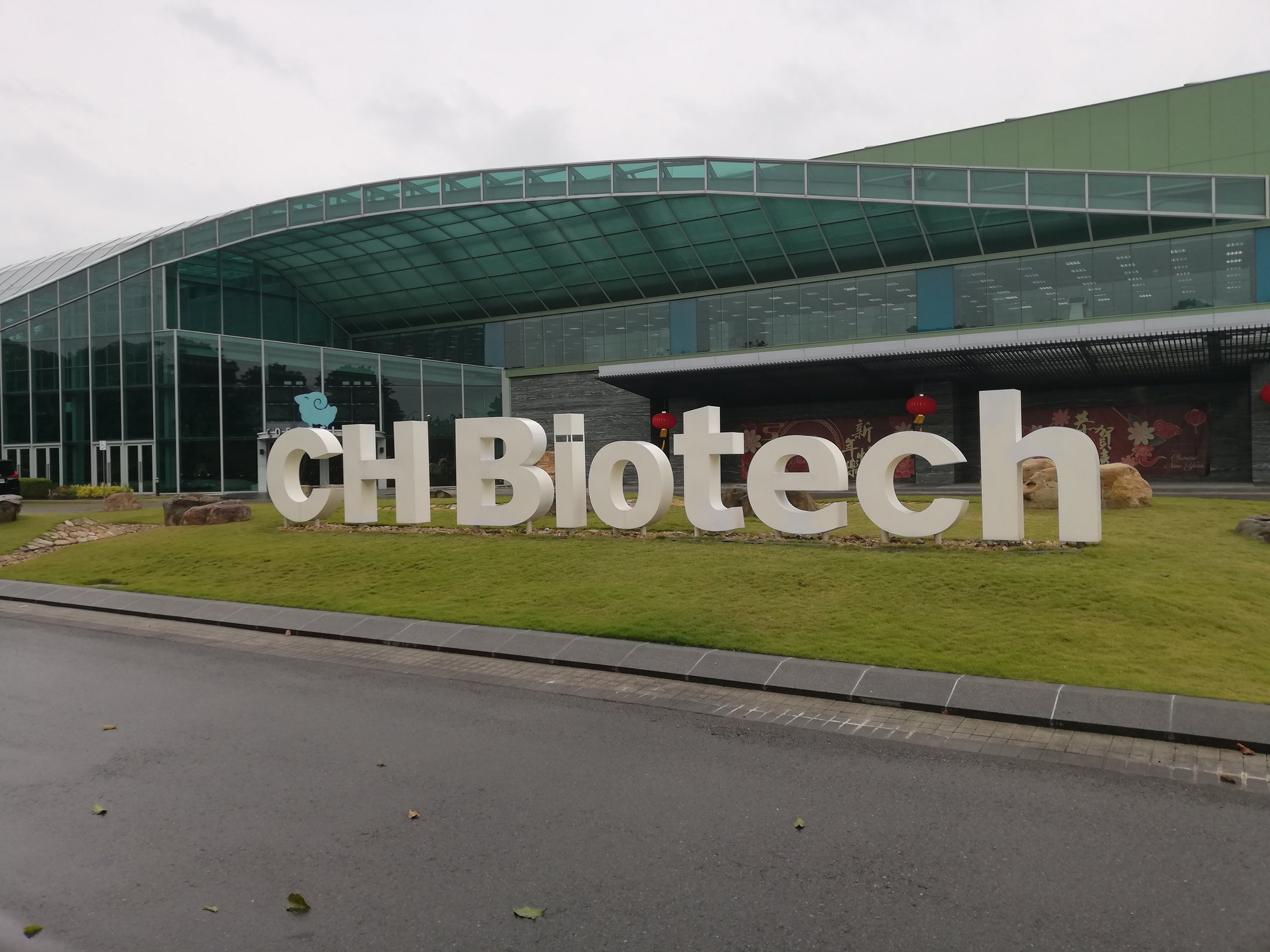
Backed by Research The heavy lifting regarding research has been done at the CH Biotech’s R&D centre and headquarter offices based in the county of Nantou, which lies in the centre of Taiwan. The site is located within the Chung Hsing Park, which is one of five parks within the Central Taiwan Science Park (CTSP).
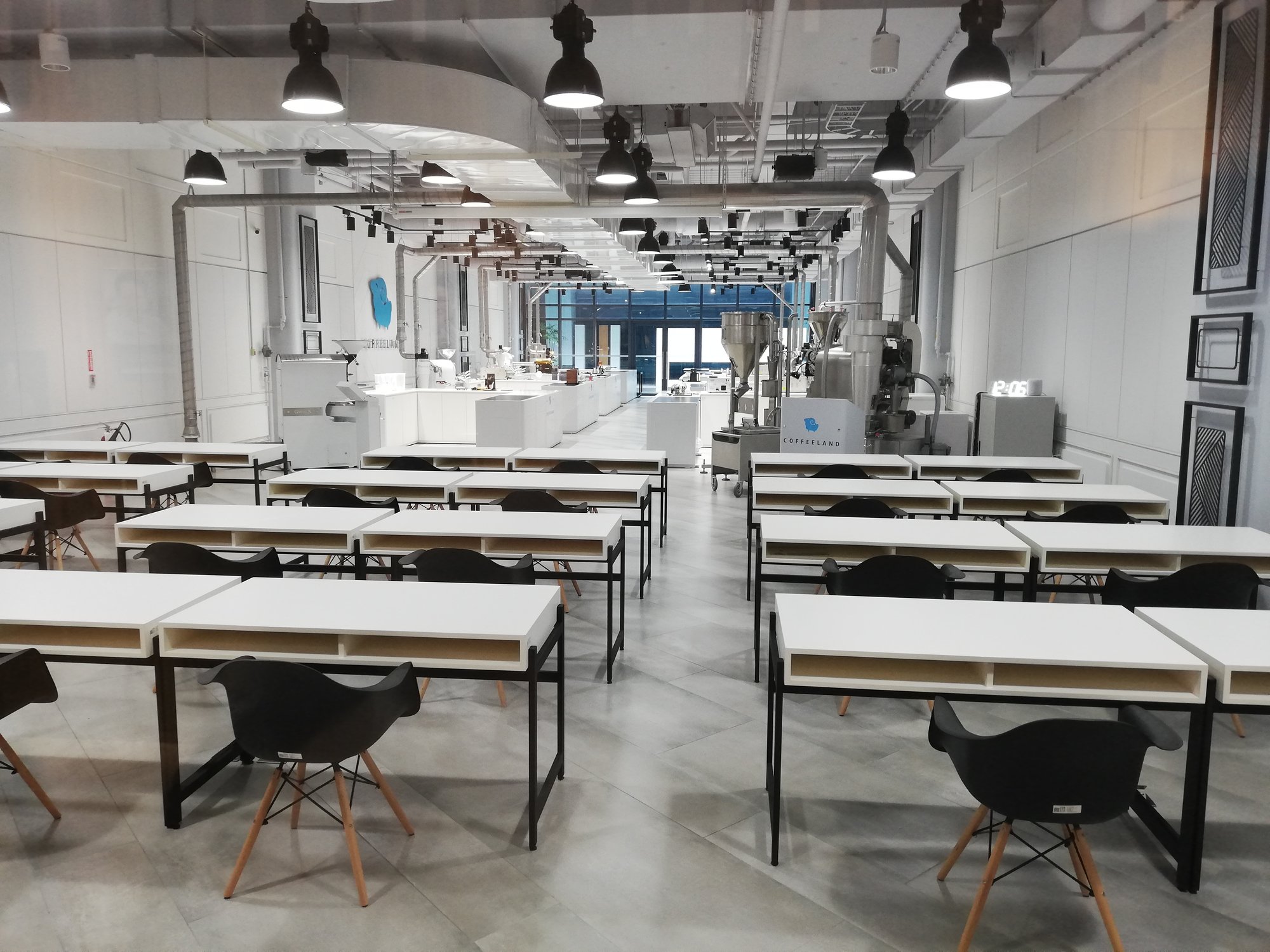
Once you know about the coffee connection, it makes sense of the coffee teaching centre and technical equipment, complete with roasters, located on the ground floor.
There’s even a library, where employees can study and browse the tomes of scientific journals.
The R&D centre has a layout that reflects the conceptual approach to research. It is split into the Foundation Lab and Solutions Lab. The Foundation Lab is where fundamental science takes place, while the Solutions Lab is where products are developed and fine-tuned for the market.
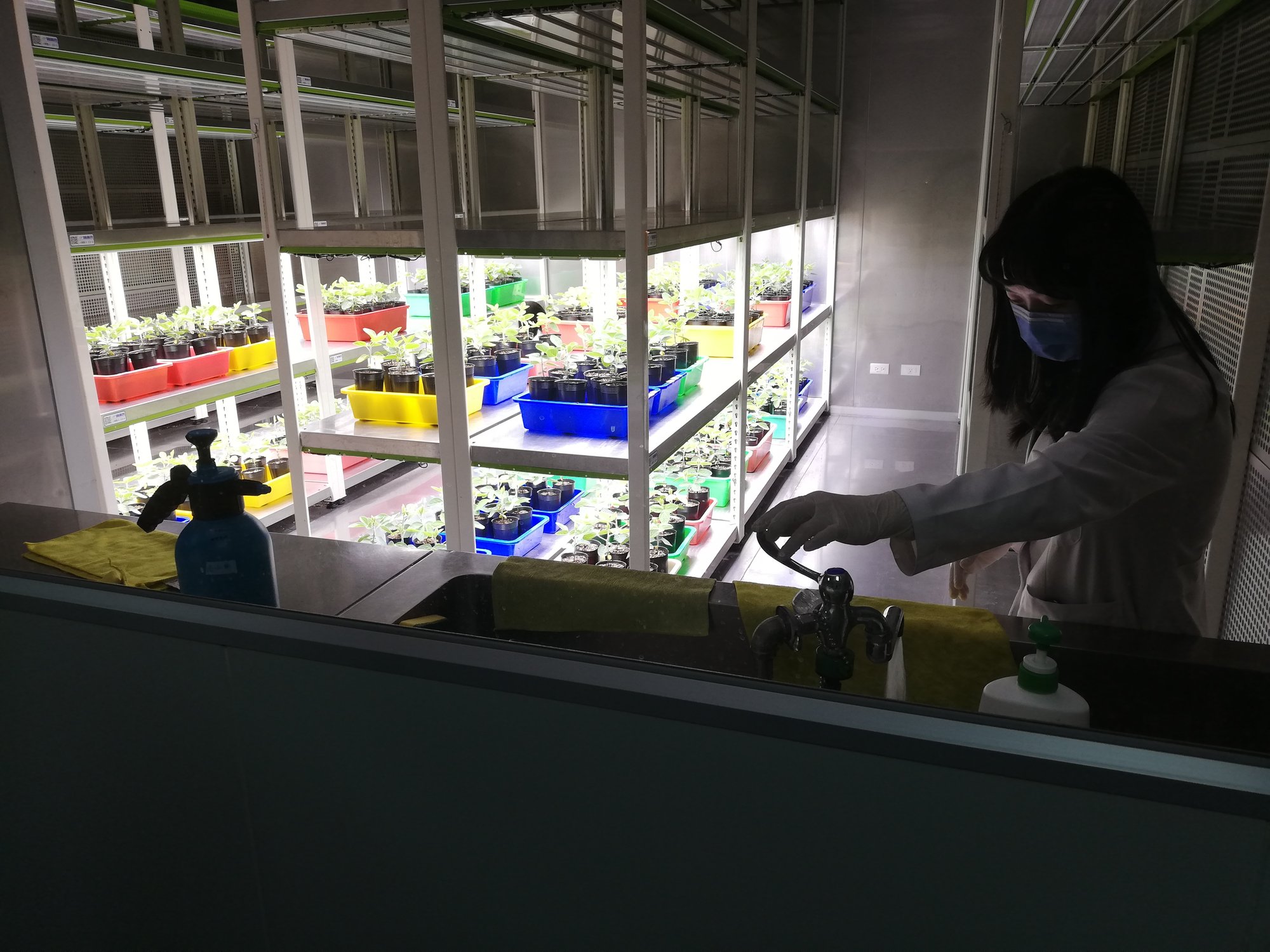
The research centre has GLP certification (Good Laboratory Practice) and no shortage of phytotron rooms – 10 in total – along with around 1 hectare of greenhouses.
The focus of the centre was PGRs but now it is POPs. Bioactive peptides are short sequences of amino acids (typically between 2 and 40) that can be derived from various sources, both plant and animal, as well as microorganisms. Peptides can mimic plant hormone functions, regulating plant growth and development. When applied as biostimulants, these peptides are used to promote root development and enhance plant stress resistance. CH Biotech’s work also looks at the biocontrol properties of peptides.
Circular processThe circular economy is central to CH Biotech’s strategy. The raw materials for the company’s POPs are the waste from the food production industry, namely chicken feathers and fish scales. Eventually, CH Biotech is looking to process the raw materials themselves.
“Currently, our raw materials come from chicken feather processing companies. We are outsourcing the processing of chicken feathers and fish scales to a manufacturer, which results in costs. However, in the future, we plan to handle chicken feathers and fish scales ourselves, so we will charge vendors a recycling and processing fee,”said the company.
Feathers are among the most protein-rich biological materials available, consisting of 85-91% keratin.
Keratin is a protective protein with functions like UV resistance, temperature variation protection, and pathogen defence. It consists of around 20 amino acids with sulphur bonds, which poses difficulties when breaking down, but brings a benefit:
“By breaking down specific functional amino acid sequences (peptides), particularly organic sulphur-rich peptides, and applying them to crops, these biostimulants can effectively protect crop health, enhancing yield and quality,” the company says.
Fish scales are rich in collagen, comprising about 45% of their content. “Collagen features a unique glycine-proline-hydroxyproline tripeptide structure that offers protective, antioxidative, and physiological regulatory effects on biological tissues.”
Production processCH Biotech’s two production facilities lie in the industrial zone near to the port of Taichung. Some of the zone has been reclaimed from the sea. The proximity to the sea and fish processing industry is part of the reason why the company is located there.
The process of extracting the desired peptides is protein hydrolysis, which involves breaking down the protein into smaller peptides or amino acids.
Referring again to the CH Biotech textbook, the methods for hydrolysing feathers have evolved from using acids and bases to ‘green hydrolysis’ methods.
CH Biotech has been using subcritical water hydrolysis over the past decade to decompose keratin. Subcritical water is liquid under pressure at temperatures above usual boiling point (100 C), and has higher solvating power, lower viscosity and surface tension, giving it a ‘high potentiality to dissolve.’ This is referred to as thermodynamic hydrolysis and by optimizing pressure, temperature, and time, specific peptide types are produced, favouring functional peptides over inhibitory and neutral ones.
Two other processes are used by the company: enzymatic hydrolysis where specific enzymes, such as keratinase, are used to cleave peptide fragments, yielding well-defined peptide combinations.
When discussing the advantages of enzymatic hydrolysis in its textbook, CH Biotech said the reaction temperatures are relatively low, 40-70 C, resulting in lower energy consumption per unit time. The products retain the functionality of amino acids or peptides and have good water solubility. “Compared to microbial degradation of keratin, the main advantages of enzymatic degradation are higher efficiency, cost-effectiveness, andtime savings.”
The third process is microbial hydrolysis where selected microorganisms secrete hydrolytic enzymes like keratinase and collagenase, enabling the production of small peptide fragments. The low bio yield of this method means it is less suitable for large-scale application.
Production capacity CH Biotech has ten 10-ton enzymatic hydrolysis tanks for production, which can produce 300-400 tonnes of enzymatic peptides per week. The company also has a 1-tonne pilot equipment, which can be used for testing and small-scale production according to demand.
“The current production capacity is 5 tonnes per week. However, we are actively preparing and expansion our production line and expect to reach a production capacity of 50 tonnes per week in the second quarter of this year. By the end of the year, we anticipate reaching a production capacity of 200 tonnes per week.” The production line produces bottles in 3 lines: 1 litre, 2 litre and 2.5 gallon.
Scalability of peptide productionThe most challenging part in the mass production of feather peptides is the reproducibility of the degree of enzymatic hydrolysis, CH Biotech explained.
“It is necessary to ensure that the quality of the products produced by large-scale equipment is the same as the test results in the laboratory. The increase in the scale of equipment has a great impact on the input materials.”
The analytical technology of peptides is well established said the company and allows it to confirm that the content of ingredients in the mass production stage is the same as that of the small-scale production in the laboratory.
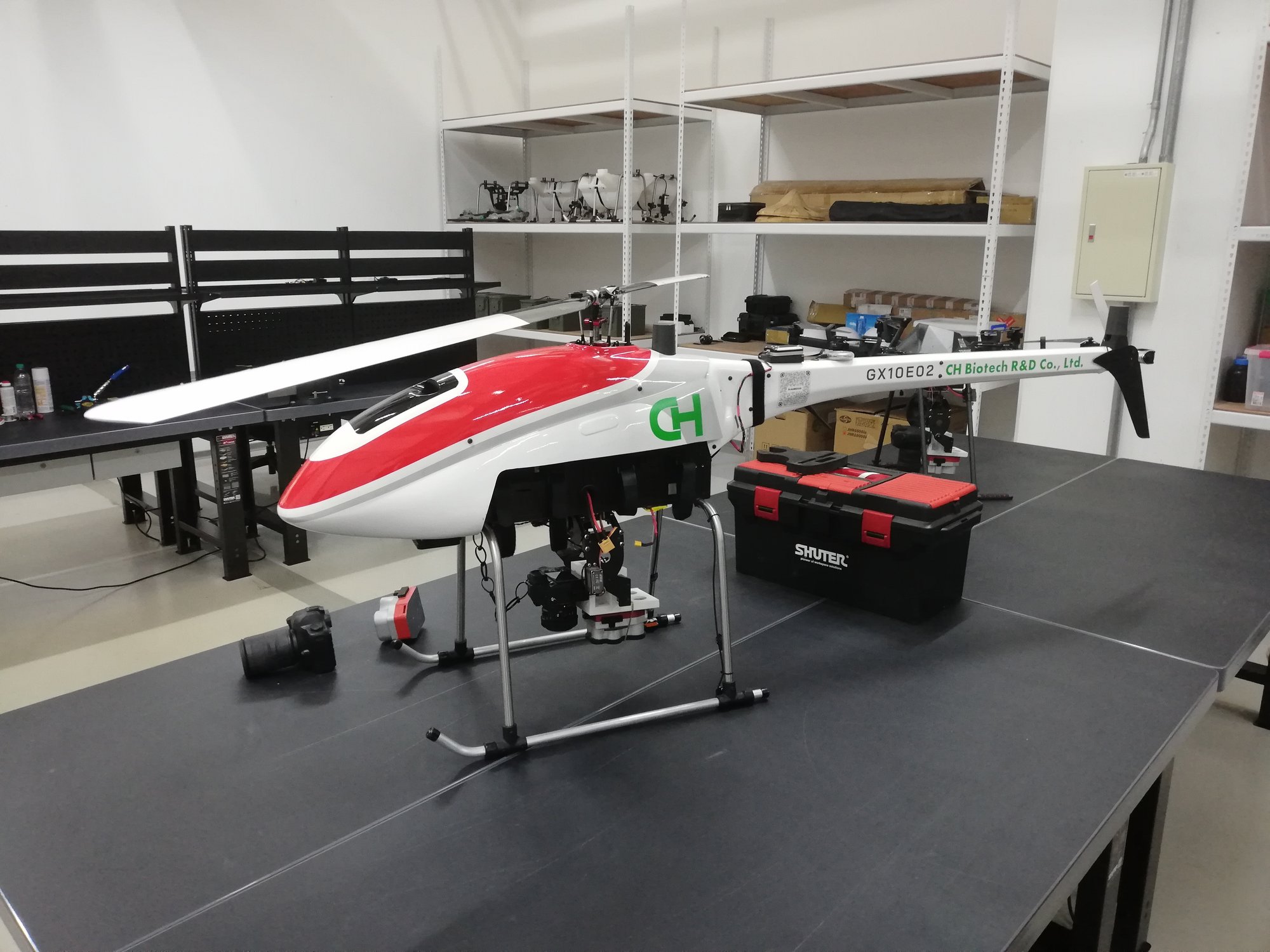
Taking to the air CH Biotech uses drones for both sensing crop health and applying products. The drone pictured can carry 10-15 litres and has a flying time of 20 minutes, but this depends on the prevailing wind strength.
Drones equipped with multispectral and hyperspectral imaging sensors are used to establish plant growth models and monitor plant health. “These sensors capture data on crop vigour and chlorophyll content, identifying issues such as nutrient deficiencies, water scarcity, or diseases.”
Next steps CH Biotech already has a foothold in the precision nutrient market through Nutrien Ag Solution’s NutriSync line of products. This specialty fertilizer is designed to optimize nutrient acquisition, mobility, and assimilation by the plant. An extension of this is to combine its biostimulant materials with water-soluble fertilizers in the form of a dissolvable granule.
As well as becoming a processor of feathers and fish scales, CH Biotech is aiming to expand its raw materials to include food waste. In Taiwan, an estimated 620,000 tonnes of food waste are recycled annually, mostly treated via landfill or incineration, says CH Biotech.
“By leveraging thermodynamic hydrolysis, food waste is decomposed into small molecules under subcritical water conditions, breaking down microbial toxins generated during storage and transport. This ensures safety when using food waste for composting, avoiding potential soil, crop, and food contamination.”
From its ongoing laboratory and field tests, the company aims to transform food waste into sustainable agricultural resources creating a low-carbon agricultural production model.
Interview Founder and chairman Chen-Pang Wu.
Biography: A graduate of the Department of Cooperative Economics at Feng Chia University, Wu never studied agriculture, but became the ‘King of Bean Sprouts’ through a machine that could double the rate of production. Unable to secure loans for mass production in Taiwan, Chen-Pang Wu went to the United States to borrow funds and pioneered a leasing model, renting out the bean sprout machines. Within two years, over 900 units were rented out in the U.S., expanding to the U.K., Canada, and Japan. Later, he began developing PGRs in a garage in the U.S. Over 20 years ago, he created a book titled "User Guide of Plant Growth
Regulators", which documented the use and characteristics of over 140 different PGRs.
He then partnered with Agrium (which later became Nutrien), and through the brand LT Biosyn, he expanded the business. This brand underwent several transformations, including becoming CP Bio, NAC MFG, and eventually evolving into the current CH Biotech.
What is your vision for CH Biotech’s future, particularly how you see peptides contributing to the future of agriculture? Firstly, to elevate Taiwan's international standing in the global agricultural biotechnology field, promoting innovation and sustainable development in agricultural technology. Since the company's founding, we have been committed to the research and development of efficient, precise, and low-carbon agricultural technologies and products, including plant growth regulators and fertilizers.
In 2023, CH Biotech celebrated its tenth anniversary and went public, marking an important milestone as the company enters a new stage. CH Biotech will further challenge research in international agrochemical development and carbon reduction technologies, such as helping agriculture reduce chemical fertilizer use by 20% and pesticide use by 50%.
Among these, precision-orientated peptides (POPs) are considered one of the key breakthroughs for the future of agriculture. This innovative technology, through precise design and application, can enhance crop climate resilience, reduce environmental impact, and maintain soil health. CH Biotech 's trial data shows that POPs significantly improve crop yield, enhance resistance to stress, and prevent diseases. Future research will further explore its impact on soil health, microbial communities, and plant resilience mechanisms.
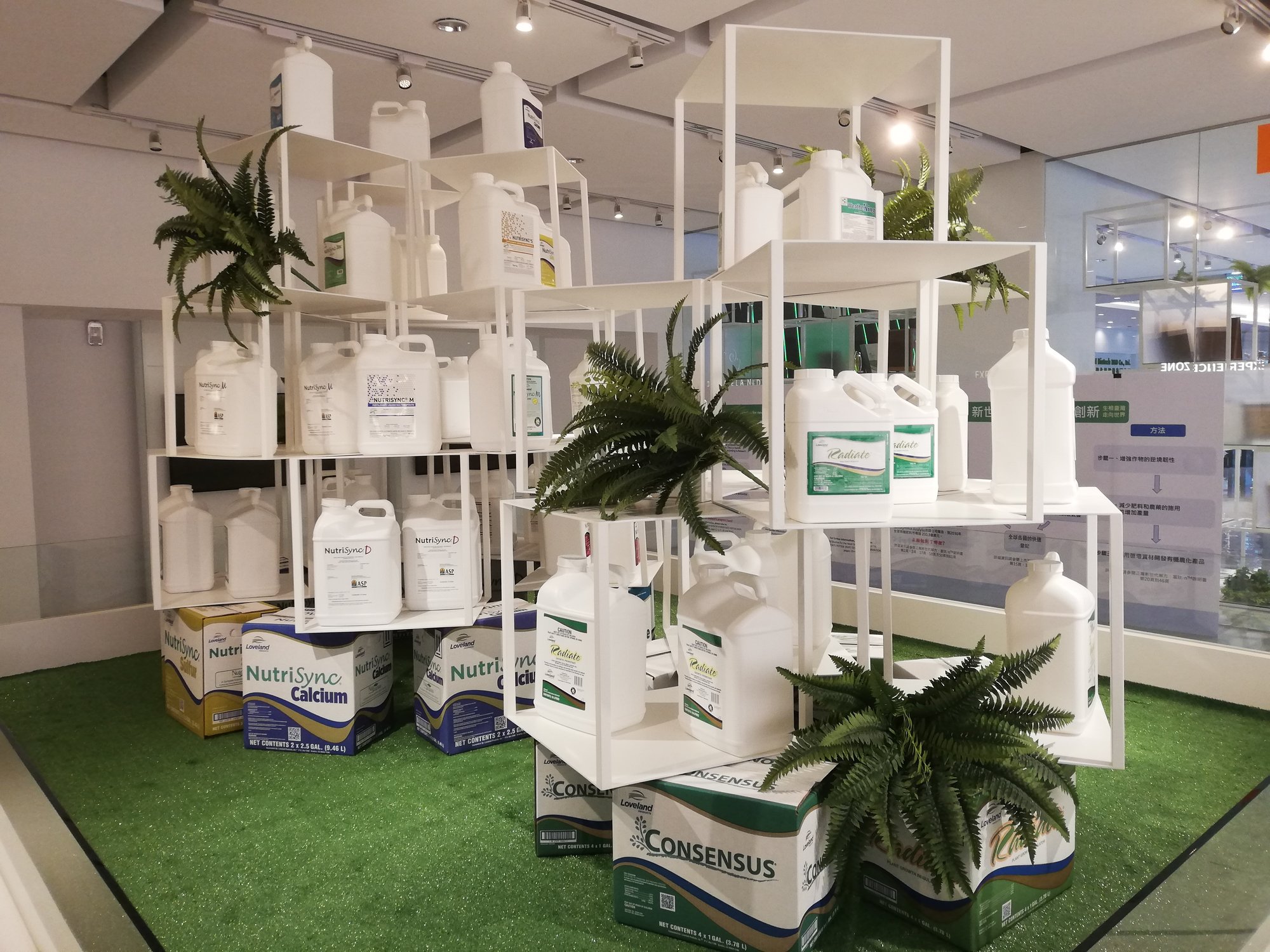
CH Biotech sells PGR products Radiate, Consensus and Endurance,and NutriSync specialty fertilizer – all of which are marketedand sold by partner Nutrien Ag Solutions. Samples on display at itsR&D centre in Taiwan.
Located in the CH Biotech R&D facility are the Coffeeland teaching facilities. Using coffee producedin Taiwan, Coffeeland has a blue goat as its logo representing the story of the origins of coffee –a goat herder in Ethiopia noticed his goats were dancing after eating the berries from coffee bushes.From there, legend has it, the drinking of coffee began.
CH Biotech use dronesfor both sensing crop healthand applying liquid products. The drone pictured can carry 10-15 litres and has a flying time of 20 minutes that depends on wind strength.
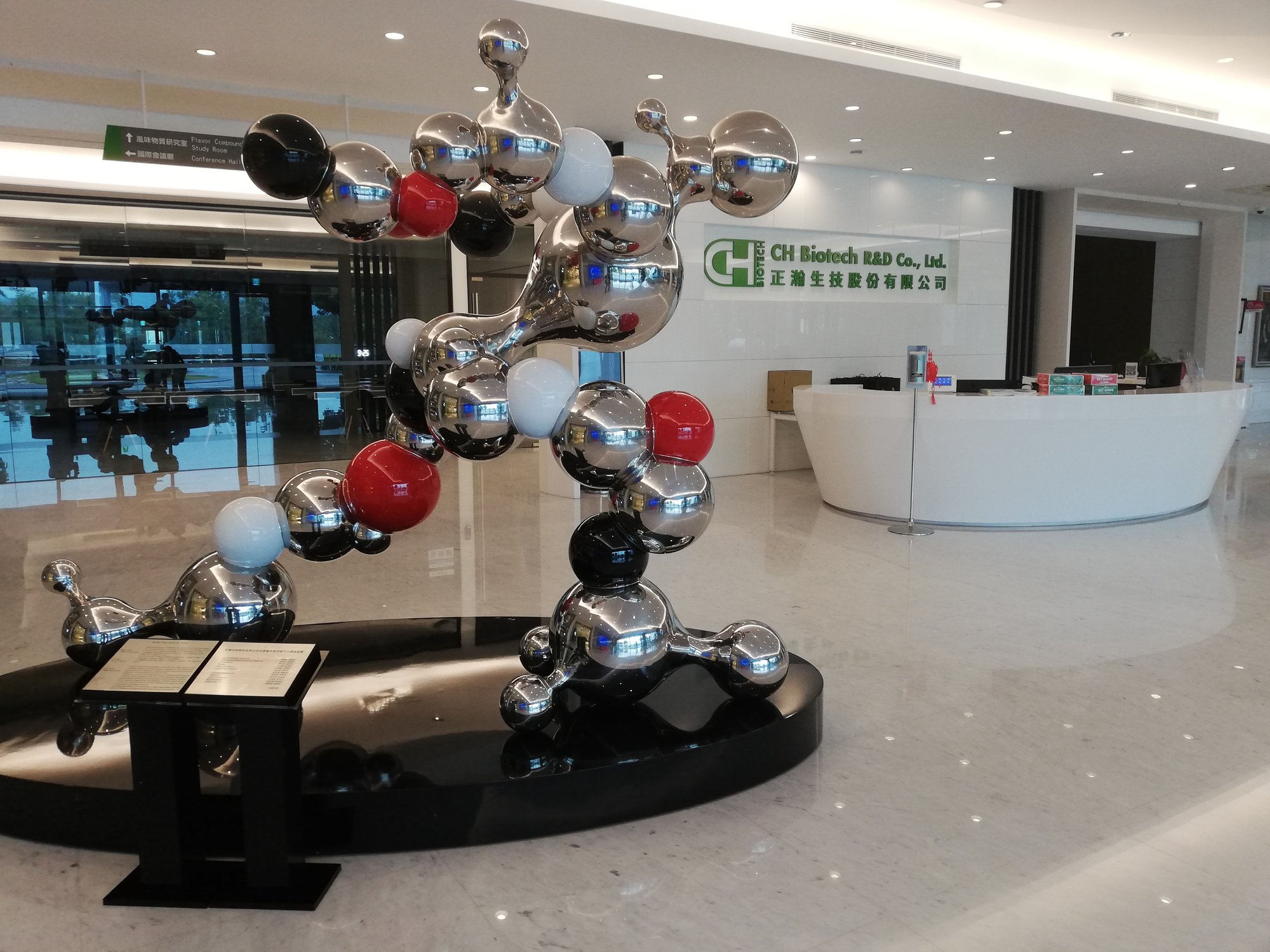
In the lobby of the R&D centre, there is an artwork ‘Bubble Man’, an interpretation of salicylic acid for CH Biotechby artist Oh Dong-Hoon.
The CH Biotech researchcentre has 10 phytotron rooms. A phytotron is an enclosed, climate-controlled room for growing plant specimens.
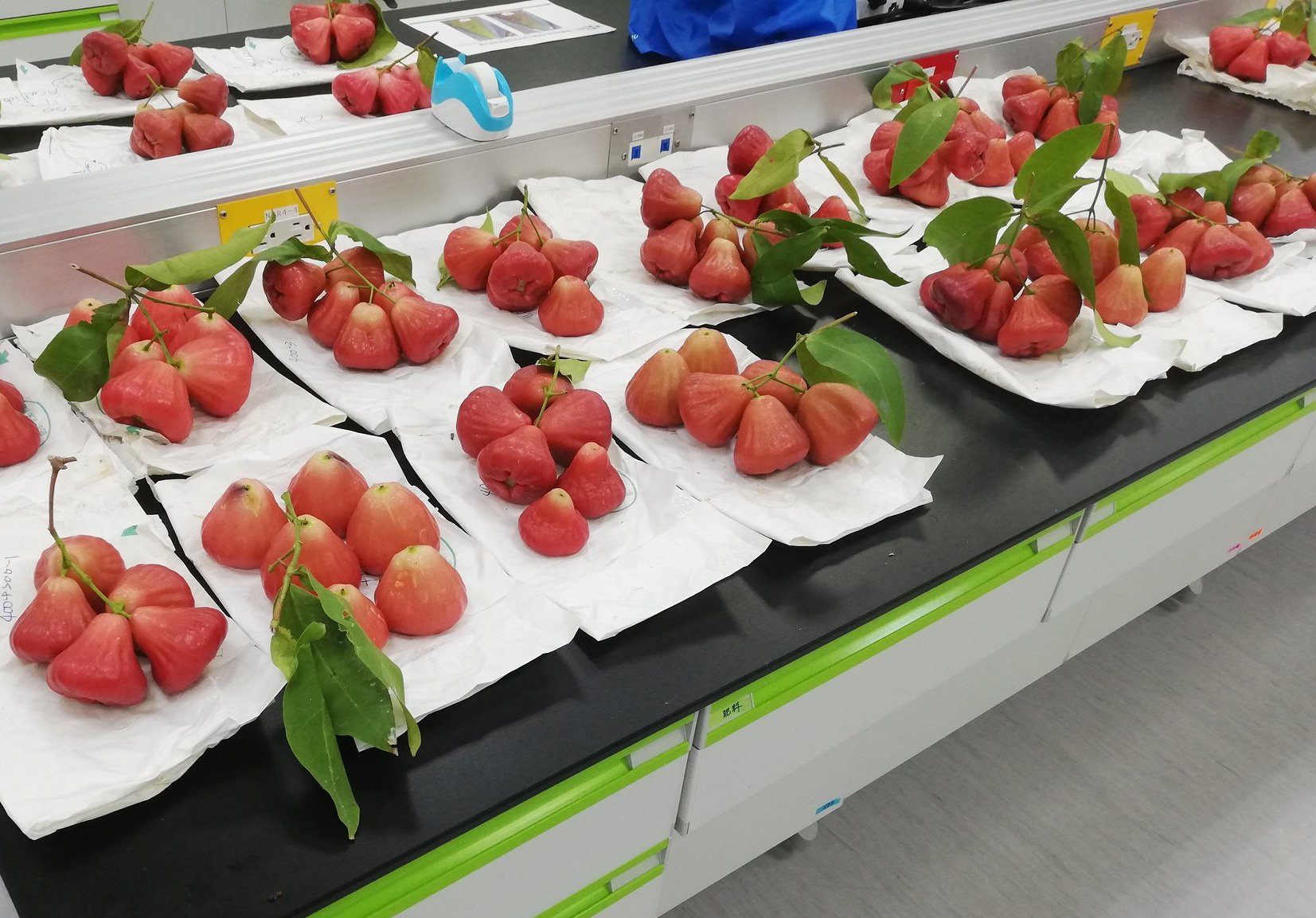
Wax apples - CH Biotech uses its biostimulant product on wax apples, a delicacy grown in Taiwan.A uniform redness is preferred.
Reference
Precision Orientated Peptides
Climate-smart biostimulantsfor crop health, resilience and sustainability
CH Biotech, Published 2024 ●
Soil health is the foundation of sustainable agriculture and environmental resilience. It refers to the ability of soil to function as a living ecosystem, sustaining plants, animals and humans. Healthy soil ensures nutrient cycling, water retention, carbon sequestration and resistance to degradation. However, global agricultural practices have led to soil depletion, requiring effective restoration methods.
Biological indicators, such as microbial biodiversity, enzymatic activity and carbon content, are crucial metrics in assessing soil health. Biological products, such as those developed by BTU, play an essential role in restoring soil fertility, improving soil structure and enhancing nutrient availability. The application of microbial biofertilizers, such as Ecostern, Azotohelp and Groundfix, has shown substantial benefits in improving soil functionality, reducing dependence on chemical fertilizers, and mitigating environmental impacts.
With over 2,300 field trials, BTU has accumulated extensive experience in applying biological solutions under diverse agricultural conditions. Each year, BTU's biologicals are used on over 4 million hectares, significantly contributing to the ecologization of agriculture and sustainability. The company operates in 20 countries worldwide and actively seeks strategic partners to expand its innovative biological solutions globally.
Carbon sequestration
Biological products significantly contribute to carbon sequestration by enhancing the retention of atmospheric CO₂ in soil as organic
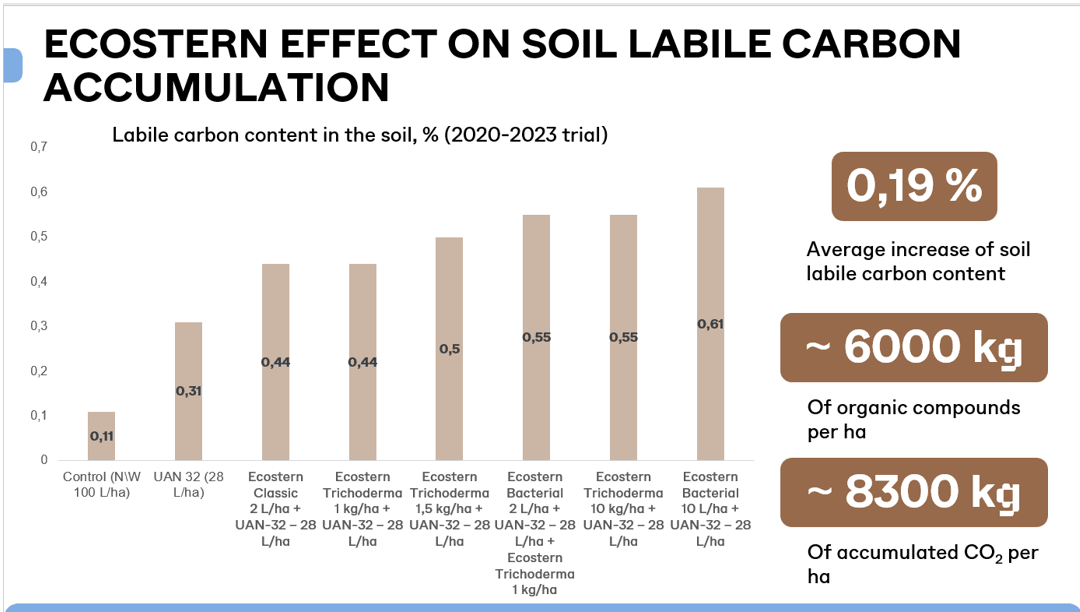
matter. This process is essential in mitigating climate change and improving soil fertility. Field studies have demonstrated that applying Ecostern increases labile carbon accumulation in soil, directly contributing to improved soil structure and long-term fertility.
According to data from BTU field studies, the use of biologicals increased labile carbon in the soil by 0.11–0.18% over three years. In collaboration with Kernel, a large-scale agricultural company in Ukraine, it was found that the application of Ecostern nearly doubled the presence of Trichoderma fungi, which play a critical role in soil organic matter decomposition. These results highlight the potential of biologicals in carbon farming, helping build resilient and fertile soils.
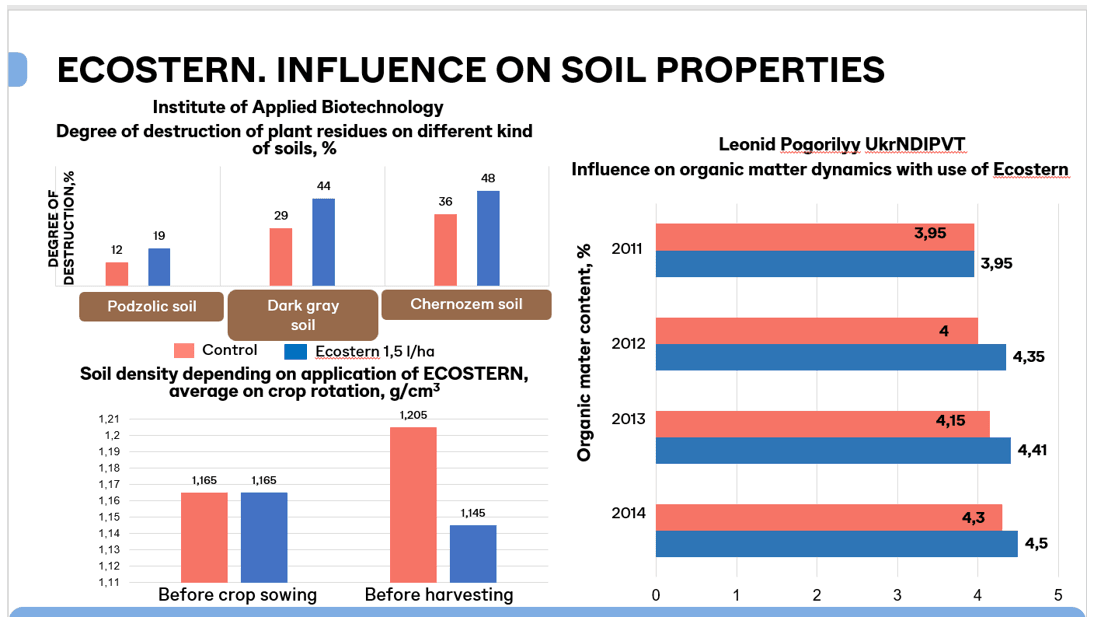
Soil density and structure Soil density and compaction influence root penetration, water movement and microbial activity. Intensive farming practices often lead to soil degradation, requiring biological solutions for restoration. Ecostern, a microbial-based stubble decomposer, has demonstrated its effectiveness in improving soil structure by accelerating organic matter decomposition and enhancing microbial interactionsin soil aggregates.
Field studies show that applying Ecostern reduces the application of nitrogen required for decomposition of afterharvest residues by up to 40%, demonstrating its ability to enhance microbial decomposition processes. Furthermore, it has been observed to improve soil porosity and moisture retention, ensuring better aeration and nutrient availability for crops.
Biodiversity in soil Soil biodiversity plays a crucial role in nutrient cycling and disease suppression. The excessive use of synthetic fertilizers and pesticides negatively impacts microbial diversity, leading to an imbalance in soil health. Biologicals restore microbial populations and introduce beneficial microorganisms that promote sustainable soil ecosystems.
Experiments conducted by BTU have shown that the application of Ecostern and other biologicals significantly increases microbial diversity, improving the soil's functional biodiversity by 10–30%. This enhanced microbial activity contributes to nutrient mineralization, soil aeration and increased organic matter decomposition, ensuring long-term soil fertility and resilience.
Enzymatic activity as an indicator of soil health Enzymatic activity is a critical parameter in soil health assessment. It reflects the biochemical processes occurring in the soil, including organic matter decomposition, nitrogen fixation and phosphorus mobilization. Ecostern has been shown to restore enzymatic activity in degraded soils, playing a vital role in soil remediation efforts.
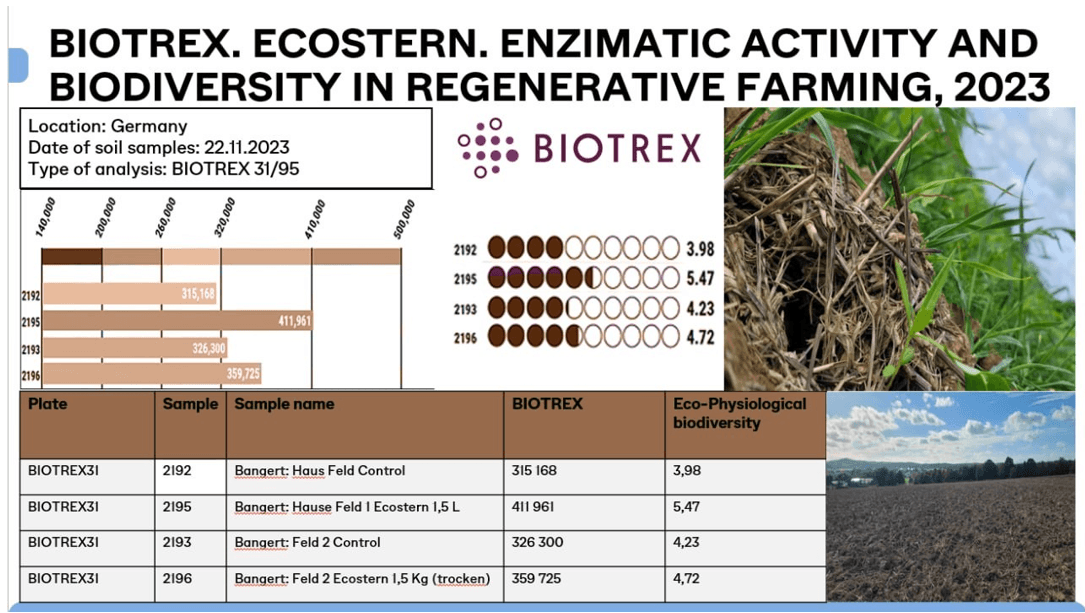
Field research indicates that enzymatic activity measured using BIOTREX technology improved significantly with the application of Ecostern, restoring it to near-normal levels. This suggests that biologicals enhance the metabolic processes of soil microorganisms, improving soil fertility and plant nutrition.
Restoration of soils damagedby military actionsThe war in Ukraine has resulted in extensive soil degradation due to explosions, heavy metal contamination, and hydrocarbon pollution. BTU has developed a comprehensive bioremediation strategy to restore these damaged soils, leveraging the detoxifying capabilities of biologicals such as Ecostern Detox.
Studies conducted on war-affected soils show that after 90 days of applying Ecostern Detox, microbial communities in contaminated areas began to recover, approaching natural soil conditions. Additionally, plant biomass in treated areas increased by 7–10%, and when combined with mineral amendments, growth gains exceeded 24%. This demonstrates the potential of biologicals in remediating war-damaged soils
and restoring agricultural productivity.
BTU’s 20-year experience in soil restoration after oil extractionFor over two decades, BTU has been involved in the remediation of oil-contaminated soils, working with companies such as Ukrnafta to restore land affected by hydrocarbon spills. The company’s expertise in bioremediation has resulted in highly effective solutions for detoxifying oil-polluted areas.
In early remediation projects, BTU successfully restored soil fertility in oil-polluted lands within a single season by applying microbial-based bio-preparations. These bio-preparations accelerated hydrocarbon degradation, allowing vegetation to regrow quickly. Today, these same technologies are being applied to rehabilitate soils affected by industrial pollution and war-related environmental damage.
ConclusionThe integration of biologicals into soil restoration strategies presents a sustainable and efficient solution for degraded lands. From carbon sequestration and biodiversity enhancement to bioremediation of war-affected soils, BTU’s biological solutions, such as Ecostern, Azotohelp and Groundfix, provide effective tools for improvingsoil health.
Decades of research confirm that biologicals enhance carbon retention, improve soil structure, increase microbial diversity and stimulate enzymatic activity. With ongoing patenting initiatives, large-scale field trials and innovative bio-preparations, BTU continues to lead in the field of sustainable agriculture and soil restoration. The company is actively looking for strategic partners worldwide to introduce its biological innovations on a global scale. ●
The USDA's Agricultural Research Service (ARS), the University of Nebraska–Lincoln (UNL), and the ARS’s Partnership for Data Innovations (PDI) have launched a new web-based application,The Soil Sample Planning Organizer Tool, or SSPOT, to facilitate digital soil mapping and optimizesoil sampling.
Land managers and researchers rely on routine soil sampling to monitor soil variability and determine the best practices to increase production while maintaining sustainability. However, they often face the challenge of identifying the optimal number of soil samples and their locations in complex and varied landscapes while managing limited time, resources, and labor.
Selecting a well-distributed set of sampling sites is crucial for effective soil management decisions, and SSPOT aims to simplify this process. The app is a user-friendly tool with integrated algorithms to help users determine the optimal placement of samples needed to comprehensively understand soil activity in various soil types over time. The integrated algorithms simplify the process for non-experts and ultimately saves land managers, producers, and soil researchers both time and money.
Users can select their specific Area of Interest (AOI) on the SSPOT map and utilize one of two "optimizer" algorithms. The algorithms use the USDA's Soil Survey Geographic Database and customizable grids to ensure sampling activities are thorough and efficiently capture the full picture of soil health within the selected area. SSPOT enables users to customize parameters for their search and export the results for practical applications in the field.
"SSPOT is an example of collaborative science, where a multidisciplinary team of experts from academia, the federal government, and the private sector worked together to bring a vision to life," said Virginia Jin, a location coordinator and research leader with the ARS Agroecosystem Management Research Unit. "We are confident that this tool can push forward the advancement of research for the benefit of croplands, grazinglands, and forestry."
Furthermore, a version of SSPOT will support the USDA's National Resources Conservation Services in their conservation evaluation and monitoring activity efforts, including soil sampling needs.
The project began at UNL with Trenton Franz, a professor of hydrogeophysics at the School of Natural Resources, who developed the initial algorithm and provided the scientific backing behind SSPOT. Consultant Ben Cook developed the original SSPOT prototype with Franz, and both contributed greatly to the new SSPOT interface, which was developed with support from industry partner, Esri, inc. The ARS team led the testing and refining of the software, incorporating valuable feedback from stakeholders throughout the process.
"Every project aiming to understand soil variability across a field faces the same questions: How many samples should I take, and where should I collect them?" Franz said. "While these questions seem straightforward, the answers vary greatly depending on location and project goals. SSPOT was designed as a user-friendly tool to help both producers and researchers make informed sampling decisions."
The Soil Sample Planning Organizer Tool, or SSPOT, can be accessed at https://sspot.scinet.usda.gov. ●
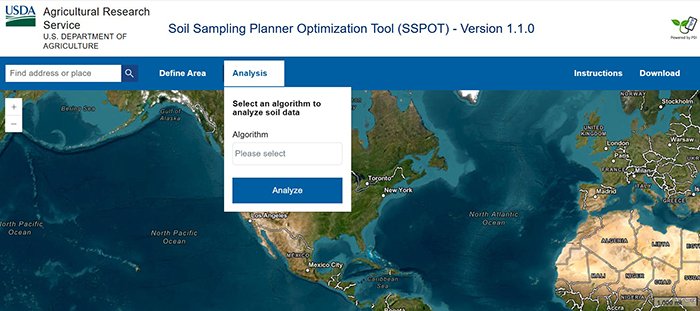
Screenshot of the Soil Sample Planning Organizer Tool’sweb-based application.